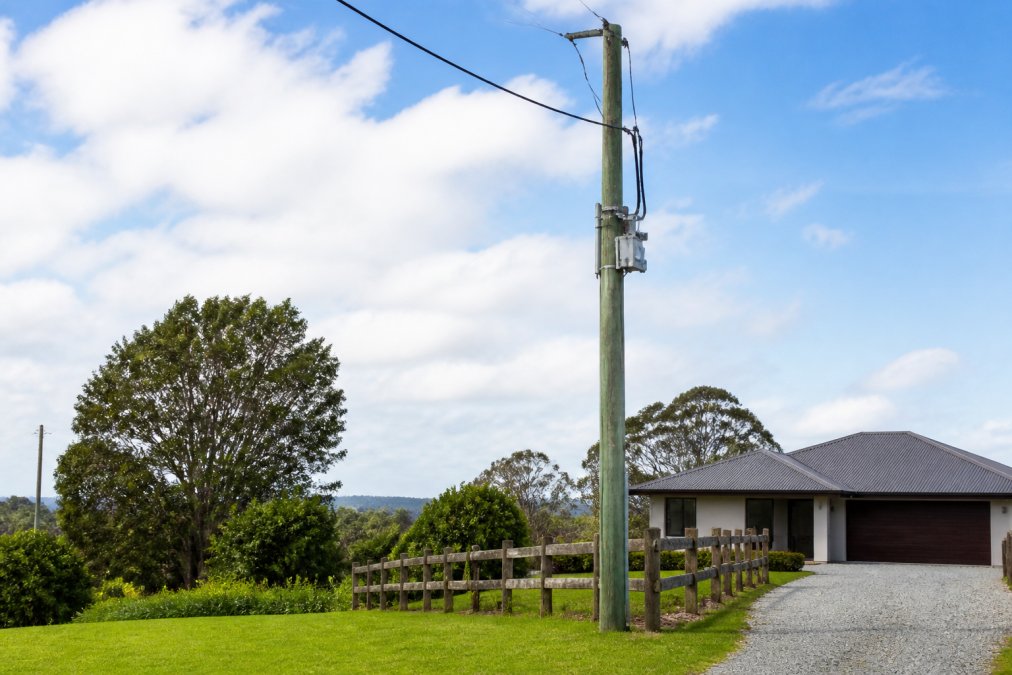
Why Do I Need a Private Power Pole
Table of Contents
- What Is a Private Power Pole and Why It Matters
- How to Tell If a Power Pole Is Private
- Safety Standards and Compliance Requirements for Private Power Poles
- Underground Power Trenching Requirements for Private Installations
- Private Power Pole Inspection Cost and Maintenance Responsibilities
- When Your Property Requires a Private Power Pole Upgrade
- Common Misconceptions About Private Power Poles
- Frequently Asked Questions
Last Updated: September 24, 2026
What Is a Private Power Pole and Why It Matters
A private power pole is a utility structure owned and maintained by a property owner rather than the local electricity distributor. Unlike public poles that supply power to multiple properties, a private power pole serves a single premises and remains the owner's responsibility from installation through ongoing maintenance and compliance.
Understanding whether you need a private power pole depends on your property's location, size, and connection requirements. Most residential properties in Tugun and across Queensland connect to the public network, but certain situations demand a dedicated private installation. These include properties too far from the main grid, off-grid systems requiring battery storage, or new construction where the distributor won't extend infrastructure.
The distinction matters because it shifts responsibility. When you own the pole, you own the liability, the maintenance costs, and the obligation to meet safety standards. This is why knowing whether your property requires one, and understanding what that entails, is critical before undertaking solar, battery, or electrical upgrades.
How to Tell If a Power Pole Is Private
The simplest way to identify a private power pole is to check your electricity bill and property documentation. Your bill states the distributor's name; if it's Energex or another Queensland distributor, your connection likely uses public poles. Private poles appear on council defect notices, property surveys, and your electrical installation documentation.
Physically, private poles often show signs of age and individual maintenance. They may lack the distributor's identification markings, have weathered timber more heavily than maintained public poles, or sit entirely on your property boundary rather than on council land. However, appearance alone isn't definitive, some private poles are newer and well-maintained, while some public poles look neglected.
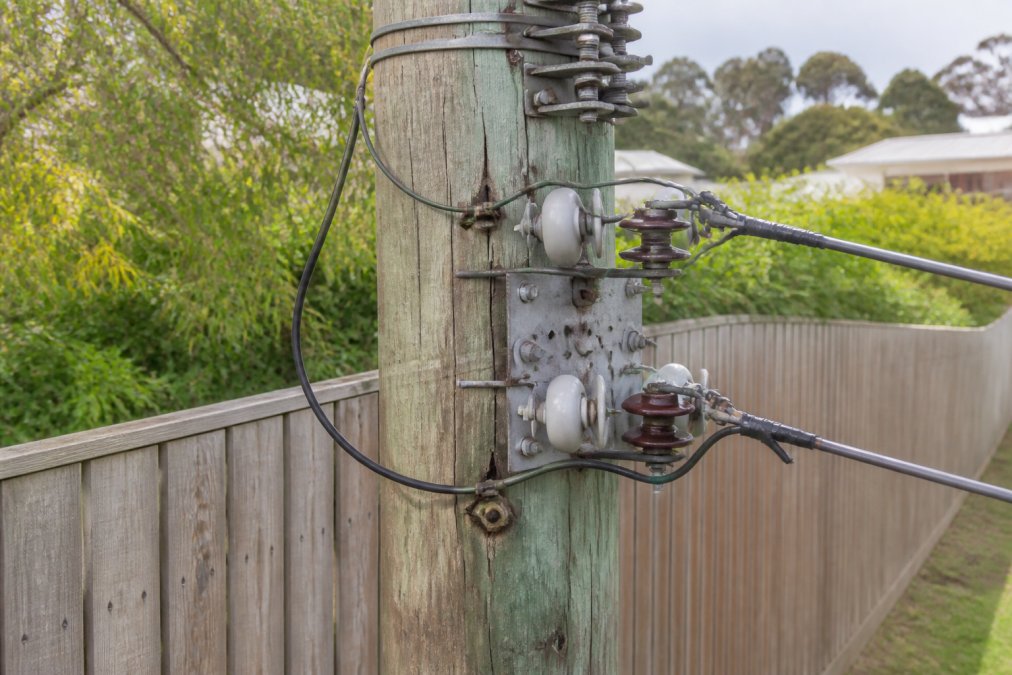
The most reliable approach is to contact your local council or the Queensland distributor directly. They maintain records of pole ownership and can confirm within days whether your pole is public or private. If you're planning electrical work or solar installation, this confirmation is essential before you proceed with any contractor.
Safety Standards and Compliance Requirements for Private Power Poles
Private power poles in Queensland must comply with Australian Standards, specifically AS/NZS 7000 (Overhead line design) and the National Electrical Safety Code (NESC). These standards govern pole height, conductor spacing, grounding, and structural integrity to protect people and property from electrical hazards.
Your local council enforces these standards through regular inspections. If your pole fails inspection, you'll receive a defect notice requiring repairs within a specified timeframe, usually 30 to 90 days depending on the severity. Common defects include rotting timber, cracked crossarms, missing or damaged insulators, and inadequate grounding systems.
Compliance isn't optional. Ignoring a defect notice can result in council enforcement action, including the authority arranging repairs and charging you the cost plus penalties. More importantly, a non-compliant pole poses genuine risk: electrical contact, falling conductors, or structural collapse can injure people and damage property.
When upgrading a private power pole, whether for solar, battery storage, or increased capacity, the work must be performed by a licensed electrician who understands Queensland standards. At Brux Electrical, our team ensures every upgrade meets current safety requirements and provides documentation for council records. This protects you legally and ensures the system operates safely for years to come.
Underground Power Trenching Requirements for Private Installations
Underground power trenching is an alternative to overhead poles, particularly for new properties or renovations in Tugun where you're installing solar and battery systems. Burying power lines eliminates overhead hazards and improves aesthetics, but it requires careful planning and compliance with Queensland regulations.
Trenches must be dug to specific depths depending on the cable type and location. Generally, power cables require 600-750mm depth in residential areas, with deeper burial in areas subject to ground disturbance. The trench must avoid existing utilities, water, gas, telecommunications, which requires a dial-before-you-dig check with Locateplus or similar service before excavation begins.
The cable itself must be approved for underground use, typically single-core or multi-core copper or aluminium rated for direct burial. PVC-sheathed cables are standard, and all joints must be made in accessible pits using proper terminations. The work must be inspected by a licensed electrician and documented for council records.
Cost and complexity vary significantly based on trench length, soil conditions, and whether you're replacing an existing overhead system or installing new. A short trench for a battery installation might require minimal earthworks, while trenching across a large property or through difficult terrain adds substantial time and expense. Discuss your specific site conditions with a qualified local electrician to understand what underground installation actually involves for your property.
Private Power Pole Inspection Cost and Maintenance Responsibilities
Inspection costs for a private power pole typically range based on the pole's condition and accessibility. A basic visual inspection by a licensed electrician takes 1-2 hours and identifies obvious defects. More detailed assessments, including load testing, timber strength evaluation, or grounding resistance measurement, take longer and cost more.
You're responsible for all maintenance and repairs on a private power pole. This includes replacing rotted timber, repairing or replacing crossarms, tightening bolts, replacing insulators, and maintaining grounding systems. Regular maintenance, every 3-5 years, helps catch problems early and avoids costly emergency repairs triggered by council defect notices.
When a defect notice arrives, repair costs depend on severity. Minor issues like loose bolts or damaged insulators might cost a few hundred dollars. Significant timber rot or structural damage requiring pole replacement can exceed several thousand dollars. This is why early inspection and preventive maintenance matter: catching deterioration before it becomes critical saves money and stress.
At Brux Electrical, we inspect private poles as part of solar and battery installation planning. Our assessment identifies existing defects, recommends repairs, and ensures your electrical upgrades integrate safely with the existing infrastructure. We provide clear, itemised quotes so you know exactly what work is needed and why.
When Your Property Requires a Private Power Pole Upgrade
You may need a private power pole upgrade in several situations. If you're installing solar panels with battery storage, your existing pole may not safely support the additional electrical load or the new equipment. If your current pole is showing age or defects, upgrading now prevents forced replacement under emergency conditions.
New construction in Tugun often requires a new private pole if the property is beyond the distributor's standard connection distance. Off-grid systems demand poles sized for the specific loads and configured for battery charging and backup generation. In all these cases, the upgrade must meet current safety standards and be designed by someone who understands your energy needs.
An upgrade typically involves replacing the existing pole with one of appropriate height and strength, installing new crossarms and insulators, and reconfiguring the electrical connections. This is substantial work requiring site access, equipment, and multiple days. It's also where working with a local electrician who understands Queensland requirements, rather than a generic contractor, makes a real difference.
Common Misconceptions About Private Power Poles
Many property owners believe the electricity distributor maintains all poles, even those on private property. This is false. Once a pole is classified as private, it's entirely your responsibility. The distributor won't repair it, and neither will the council unless it poses an immediate public safety hazard.
Another misconception is that a private pole is always old and problematic. Some private poles are relatively new and well-maintained, particularly on properties with recent solar installations or electrical upgrades. Age alone doesn't determine safety, proper maintenance does.
Some owners assume they can defer maintenance indefinitely. Council inspections happen regularly, and defect notices are issued when standards aren't met. Ignoring these notices doesn't make the problem disappear; it escalates costs and legal consequences.
Finally, many people think private pole upgrades are optional.
Frequently Asked Questions
How do I know if my power pole is private or owned by the network?
Check your property title deed and electrical connection paperwork. Private poles are typically located entirely on your land, often set back from the street. Contact your local electricity distributor to confirm ownership. They can tell you whether the pole is registered as private infrastructure serving your property or part of the public network. If you're unsure, a licensed electrician can inspect it and provide clarity on your responsibilities.
What are my legal responsibilities for private power pole maintenance in Queensland?
As the owner of a private power pole, you're responsible for its structural integrity, safety, and compliance with the Electrical Safety Act 2002 (Queensland). This includes regular inspections, maintenance, and repairs to prevent hazards. You must ensure the pole meets current safety standards and poses no risk to people or property. Failure to maintain it can result in enforcement action from the regulator. Licensed electrical professionals can conduct inspections and identify what maintenance or upgrades are needed.
Do I need a private power pole if I'm installing solar panels and battery storage?
A private power pole may be necessary depending on your property's existing electrical infrastructure and the capacity required for your solar and battery system. If your current service connection is inadequate or the pole is unsafe, an upgrade becomes essential. A licensed installer will assess your property's needs during the design phase and recommend whether a new or upgraded private power pole is required to safely support your renewable energy system and meet safety standards.
What happens if my private power pole fails during a storm?
If your private power pole fails, you lose power supply to your property and are liable for repairs. The cost and timeline depend on the damage severity. You must engage a licensed electrician to assess and rebuild or replace the pole to restore service safely. During this time, your property has no electricity. Regular inspections and maintenance reduce this risk significantly. If you have solar and battery storage, a properly sized battery system can provide backup power during outages while repairs are underway.
