Solar Installation Quote Gold Coast: A How-To Guide
Table of Contents
- What to Expect When Getting a Solar Installation Quote
- How to Compare Solar Quotes Effectively
- Understanding Solar Panel Rebates in Queensland
- Solar Installation Timeline: What Happens From Quote to Switch-On
- Right-Sizing Your System: Avoiding Oversized Quotes
- Verifying Installer Credentials and Warranty Coverage
- Getting Your Solar Installation Quote: Next Steps
Last Updated: August 22, 2026
What to Expect When Getting a Solar Installation Quote
Getting a solar installation quote is the first practical step toward reducing your electricity costs. A quality quote should be clear, itemised, and free of jargon, your blueprint for understanding what you're buying and what installation involves.
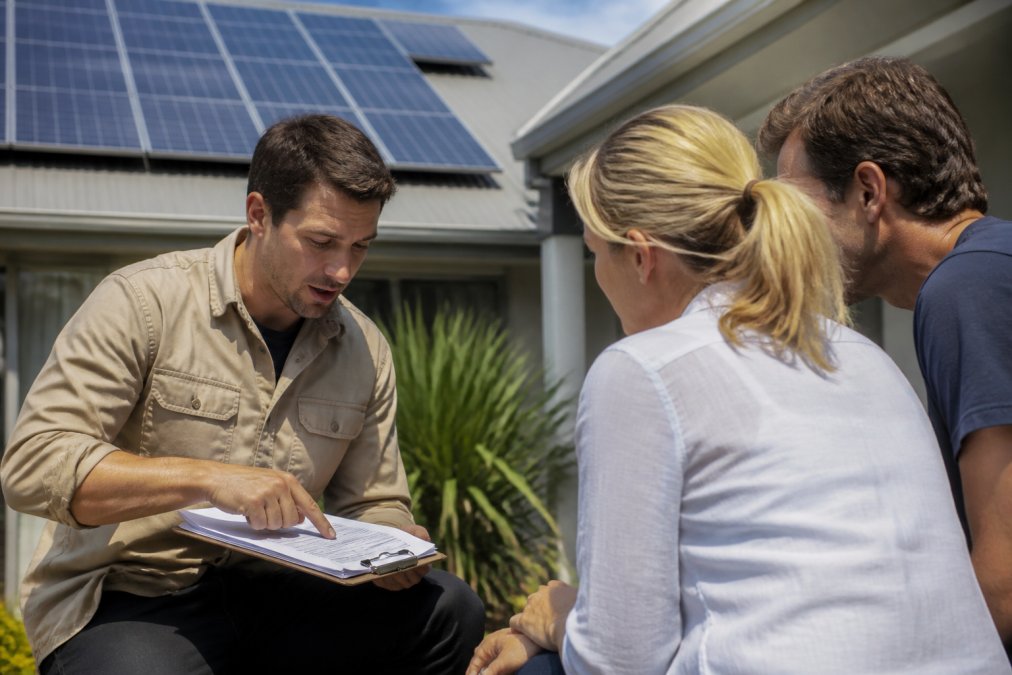
When you request a quote, the installer conducts a site assessment, reviewing your roof orientation, structural condition, and shading patterns. They'll examine your electricity bills to understand consumption and identify the right system size. Brux Electrical ensures the same licensed electrician who assesses your property installs your system, eliminating handoffs to subcontractors.
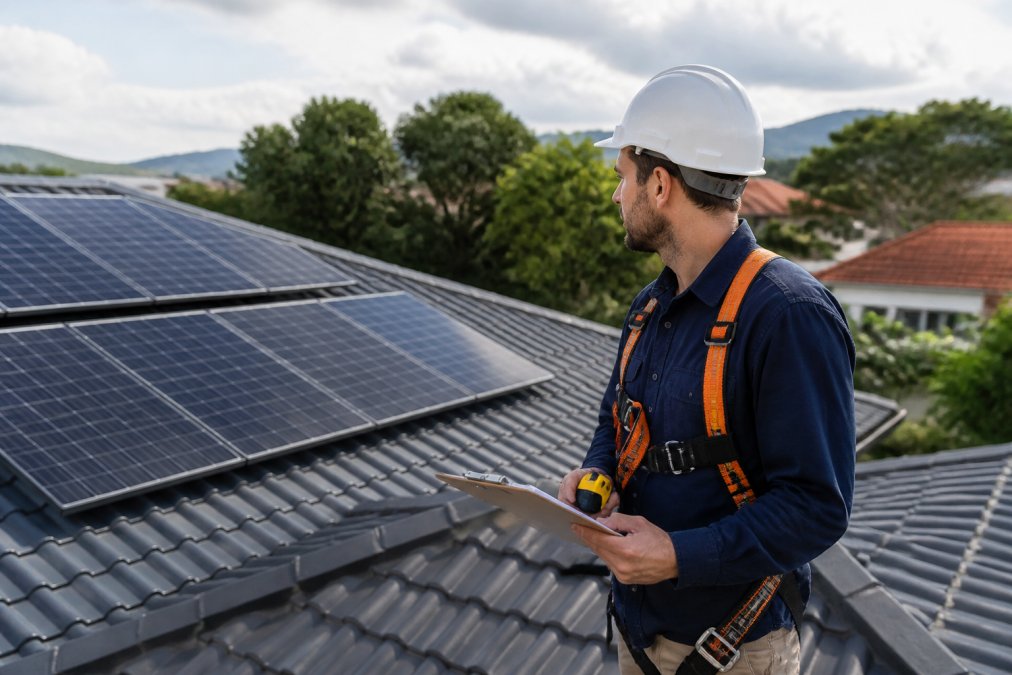
Your quote should itemise every component: solar panels, inverter, mounting hardware, wiring, switchboard upgrades, and labour. It should specify the brand and model of each piece of equipment, total capacity in kilowatts, and expected energy output. Vague quotes that lump everything into "installation" or "materials" are a red flag.
The quote should outline any additional work required. If your switchboard needs upgrading or a private power pole replacement is needed, these should be listed separately with clear costs. Brux Electrical presents everything upfront in one document so you know the total investment before committing.
How to Compare Solar Quotes Effectively
When comparing solar quotes from multiple installers, you're comparing system design, equipment quality, warranty coverage, and track record. A structured approach ensures you're genuinely comparing equivalent systems.
Create a spreadsheet with these columns: installer name, total system size (kW), panel brand and model, inverter brand and model, annual energy output (kWh), total cost, cost per watt, and warranty terms. This reveals whether each quote proposes the same system or different sizes and equipment.
A common mistake is picking the cheapest quote without checking what you're getting. A $8,000 system might be 5kW with mid-range panels, while a $9,500 quote might be 6kW with premium panels and better inverter efficiency. The second system could deliver significantly more energy savings over its lifetime, making it better value despite higher upfront cost.
Look at cost per watt across quotes. If one installer quotes $1.50 per watt and another quotes $2.10 per watt for similar equipment, ask why. Identical equipment should cost roughly the same across reputable installers; large variations warrant investigation.
Pay attention to warranty terms. Most solar panels come with a 25-year performance warranty, but inverters typically carry 10-year warranties (cleanenergycouncil.org.au). Some installers offer extended warranties on labour and parts. Brux Electrical's model of having the same installer handle your job from start to finish means you have direct access to aftercare, with no third-party contractors between you and the person who understands your system.
Also ask what happens if something fails. Can the installer service the system, or do you need to contact the manufacturer or a different provider? The answer reveals the installer's confidence in their work.
Understanding Solar Panel Rebates in Queensland
Queensland offers several incentive schemes that reduce installation costs and improve your payback period.
The Small-scale Renewable Energy Scheme (SRES) is a federal program providing Small-scale Technology Certificates (STCs) based on system size and location. Most installers factor these STCs into their quotes as a discount, claiming the certificates and passing the value to you upfront rather than requiring you to claim them yourself.
Queensland also has state-based support through various energy efficiency programs. When you request a quote, ask the installer to confirm which schemes apply to your property and whether they're included in the quoted price.
A transparent installer will show the SRES discount as a line item on your quote, making it clear how much you're saving. Some installers quote a higher price and subtract rebates, while others build them in from the start. Either approach is fine, but you need to see the full picture.
Solar Installation Timeline: What Happens From Quote to Switch-On
Once you've accepted a quote and signed the contract, the timeline from start to finish typically spans 10-16 weeks.
The first phase is design and approvals. The installer prepares detailed electrical plans and submits them to your local council or electricity distributor. In most areas, this takes 2-4 weeks. If your installation requires switchboard upgrades or power pole work, approval may take longer due to additional inspections.
Once approvals are granted, the installer orders equipment. Most quality panels and inverters are manufactured overseas, with lead times ranging from 2-6 weeks depending on demand and shipping.
The actual installation typically takes 1-3 days for a residential system, depending on size and roof complexity. The electrician installs mounting hardware, panels, wiring, and inverter, then connects everything to your switchboard. Switchboard upgrades or power pole work are usually completed beforehand.
After installation, the system undergoes testing and inspection. An accredited inspector verifies the installation meets Australian Standards and safety requirements. Once the inspector signs off, the electricity distributor is notified and your system is activated.
Brux Electrical's approach of having the same electrician handle your job from assessment through switch-on eliminates delays caused by miscommunication between different teams.
Right-Sizing Your System: Avoiding Oversized Quotes
One common complaint is that installers quote oversized systems. An oversized system costs more upfront, delivers excess energy you can't use, and takes longer to pay for itself.
System size should be based on your actual electricity consumption. Start with your annual electricity bill, which shows consumption in kilowatt-hours (kWh) per year. A typical Australian household uses 15-20 kWh per day, or roughly 5,500-7,300 kWh per year. A 5kW solar system in Queensland typically generates around 7,000-8,000 kWh per year, depending on location and roof orientation.
The installer should explain their sizing logic, referencing your actual consumption, Queensland's average sun hours, roof orientation, and any shading. They should propose a system covering 80-100% of your annual consumption. If they recommend significantly larger, ask why. Sometimes there's a good reason, you're planning an electric vehicle or battery storage. Often it's simply to inflate the price.
A system slightly oversized (110-120% of consumption) makes sense if you want to account for future needs. But jumping to 150-200% is excessive. You'll export excess energy to the grid at rates typically much lower than what you pay for imported energy, slowing payback.
When comparing quotes, look at the kW rating and estimated annual output. If two quotes propose 5kW and 7kW systems for the same property, the difference should be explained. Brux Electrical sizes systems based on your actual energy bills and specific goals.
Verifying Installer Credentials and Warranty Coverage
Before accepting any quote, verify the installer is qualified. Electrical work in Queensland is regulated, and solar installation requires specific licences and accreditations.
Check that the installer holds a valid electrical licence from the Queensland Building and Construction Commission (QBCC). You can verify this on the QBCC website. A licensed electrician has completed formal training, passed competency assessments, and carries professional indemnity insurance.
Ask whether the installer is accredited by the Clean Energy Council (CEC). CEC accreditation means the installer has met national standards for solar installation and design. It's not legally required, but it signals serious commitment to quality.
Warranty coverage includes manufacturer warranties on panels (typically 25 years for performance) and inverters (usually 10 years). But what about installation itself? A reputable installer will offer a warranty on their workmanship, typically 5-10 years. Brux Electrical's model of having the same electrician handle installation and aftercare means you have direct access to the person who knows your system.
Ask whether the warranty covers remote support or site visits. For a system critical to your home's energy independence, on-site support matters.
Getting Your Solar Installation Quote: Next Steps
Start by gathering your last 12 months of electricity bills to give the installer a complete picture of your consumption patterns. Have your property address and roof details ready.
Contact several installers and request a clear, itemised quote including all equipment, labour, and additional work like switchboard upgrades. Ask whether rebates and incentives are included in the quoted price or added separately. Request a timeline from quote acceptance to switch-on.

When you receive quotes, don't just compare bottom-line price. Create a comparison spreadsheet showing system size, equipment brands, warranty terms, and cost per watt. If one installer recommends 5kW and another recommends 8kW for the same property, understand why before deciding.
Ask each installer to walk you through their assessment and sizing logic. A good installer will explain their recommendations and answer your questions, showing how they calculated system size, why they chose specific equipment, and what expected energy output is.
For a solar installation quote on the Gold Coast, Brux Electrical provides transparent assessment. The same licensed electrician who evaluates your property installs your system, eliminating miscommunication and ensuring right-sizing to your actual energy needs. You get direct communication from the first call through to switch-on, with no subcontractors between you and the person who understands your system.
Once you've chosen an installer and signed the contract, you're committed to the timeline. Most installations take 10-16 weeks from quote acceptance to switch-on, with actual installation work taking 1-3 days. Ask your installer for a project timeline and check in regularly to ensure everything stays on track.
Getting a solar installation quote is the first step toward energy independence and lower electricity bills. A clear, itemised quote with realistic system sizing, quality equipment, and strong warranty coverage is your foundation for successful installation. Brux Electrical's transparent quoting, direct communication, and owner-led installation means you're working with someone invested in your satisfaction long after the panels are switched on. Learn more about solar rebates through the Clean Energy Regulator to understand incentives available in Queensland, and verify your installer's credentials through the Queensland Building and Construction Commission before committing to any solar installation quote. Get a quote from Brux Electrical and experience the difference that direct, transparent service makes.
Frequently Asked Questions
What should be included in a solar installation quote in Queensland?
A complete solar installation quote should detail the system size (kilowatts), panel specifications, inverter type, installation labour, electrical work, structural modifications, and warranty terms. It must itemise all components separately and include any council or network connection fees. A transparent quote also outlines the installation timeline and specifies whether the same technician who quoted the job will perform the installation. This clarity prevents hidden costs and ensures you understand exactly what you're paying for.
How do I know if a solar installer is CEC-accredited?
Check the Clean Energy Council (CEC) website for the installer's accreditation status. CEC-accredited installers must comply with Australian standards and maintain professional indemnity insurance. Ask the installer directly for their CEC accreditation number and verify it independently. Licensed electricians should also hold current electrical licences from the relevant Queensland authority. Accreditation is your assurance that the installer meets safety and quality standards and that your installation will be compliant with Australian regulations.
Are there government rebates available for solar installations on the Gold Coast?
Queensland residents may be eligible for Small-scale Technology Certificates (STCs), also called solar rebates, which reduce the upfront cost of solar systems. The number of certificates depends on your system size and location. Some local councils or state schemes may offer additional incentives. Your installer should explain available rebates during the quoting process and how they apply to your quote. Check the Clean Energy Regulator website for current eligibility and certificate values, as these change annually.
What is the difference between a solar quote and a final installation price?
A solar quote is an estimate based on your property assessment and energy needs, while the final price reflects any adjustments discovered during installation, such as roof condition, electrical upgrades, or network connection requirements. A reputable installer will communicate any changes promptly and explain additional costs before proceeding. The quote should be detailed enough to minimise surprises, and the installer should clarify what conditions might affect the final price. Direct communication with the same technician throughout prevents misunderstandings and ensures transparency.
This article was written using GrandRanker
