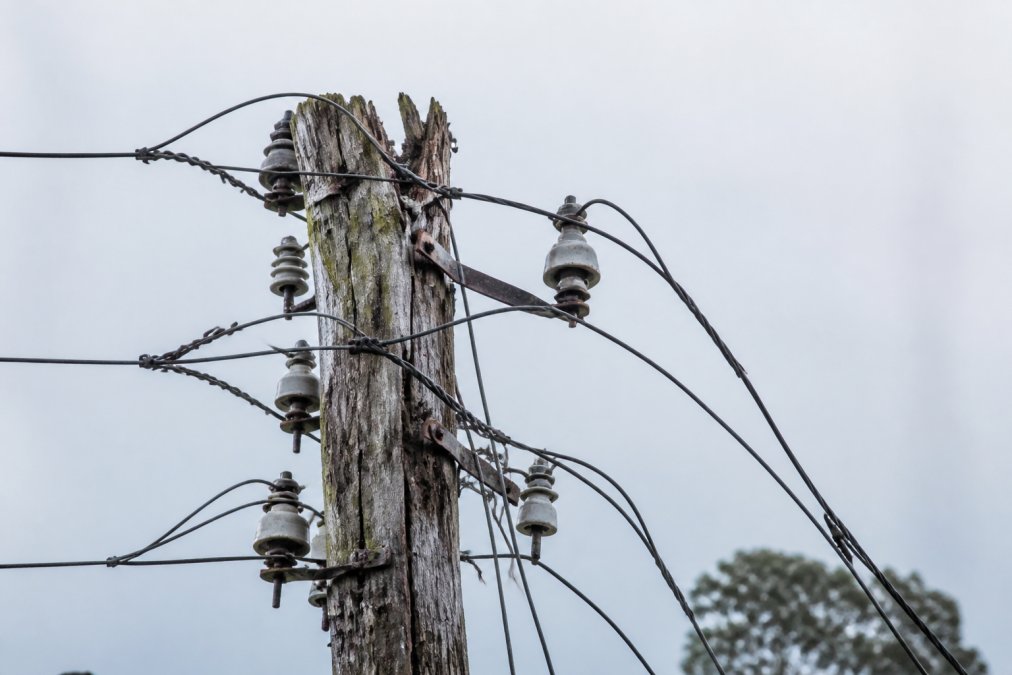
Signs of a Faulty Electrical Power Pole
Table of Contents
- Why Faulty Power Poles Matter to Your Home
- Visual Signs of a Faulty Electrical Power Pole
- Electrical and Structural Warning Signs
- Who Is Responsible for Private Power Pole Repairs
- Private Power Pole Maintenance in Queensland
- Private Power Pole Insurance Coverage
- What to Do If You Spot Signs of a Faulty Power Pole
- Frequently Asked Questions
Last Updated: September 17, 2026
Why Faulty Power Poles Matter to Your Home
A faulty electrical power pole isn't just an eyesore. It's a safety risk that can affect your entire neighbourhood. Poles carry the lines that deliver power to your home, and when they fail, the consequences can be serious.
At Brux Electrical, we work with homeowners who've discovered problems with their power infrastructure. Many don't realise how critical these structures are until something goes wrong. A damaged pole can cause power outages, electrical hazards, and even property damage.
The good news is that problems are usually visible if you know what to look for. Understanding the signs of a faulty electrical power pole helps you act quickly and protect your family.
Visual Signs of a Faulty Electrical Power Pole
The most obvious warning signs appear on the pole itself. These are the ones you can spot from your property.
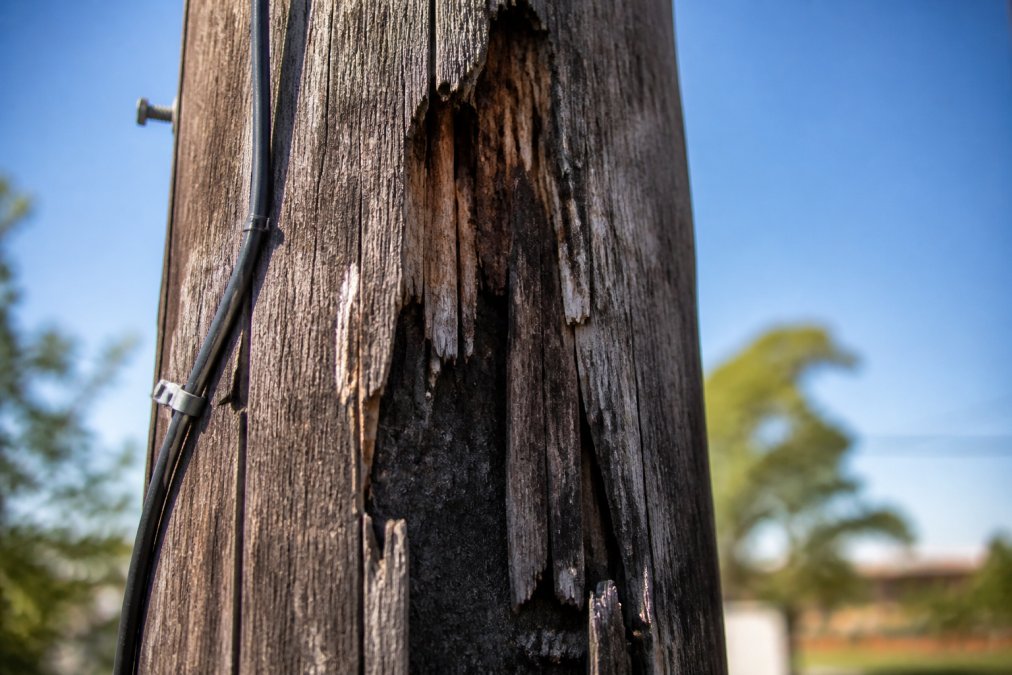
Timber decay and rot
Wooden poles are vulnerable to moisture and insects. Over time, the wood softens and weakens. You'll see discolouration, soft spots, and sometimes a hollow sound when you tap the pole.
Rot spreads from the outside inward. Early signs include:
- Dark stains or streaks on the timber
- Soft wood that crumbles when pressed
- Peeling or flaking bark
- Insect damage or small holes
If rot reaches the core, the pole loses structural strength. It may no longer support the weight of the lines and equipment attached to it.
Cracks, splits, and splintering
Wooden poles can crack from stress, weather, or age. These aren't always minor cosmetic issues. Deep splits weaken the pole and can spread over time.
Look for:
- Vertical cracks running along the grain
- Horizontal splits across the timber
- Large splinters or chunks missing
- Cracks wider than a pencil
Freeze-thaw cycles in cooler climates accelerate cracking. Wind stress and ground movement also cause splits.
Leaning or tilting
A pole should stand straight. If it's leaning, something is wrong. The pole may have shifted due to ground movement, root damage, or structural failure.
Even a slight tilt matters. It changes the stress distribution on the pole and the lines it carries. A leaning pole is unstable and may eventually fall.
Check the angle from different viewpoints. A pole that's clearly off-vertical needs immediate attention.
Rust and corrosion on metal components
Metal parts on poles include brackets, bolts, and fittings. Rust weakens these components and can cause them to fail.
Signs of corrosion include:
- Orange or brown staining on metal
- Flaking or peeling paint
- White or green oxidation on copper or brass
- Bolts that are visibly corroded or seized
Corroded metal loses its holding strength. Hardware may snap under load, causing lines to sag or fall.
Electrical and Structural Warning Signs
Some warning signs involve the power lines and equipment, not just the pole itself.
Sagging or damaged power lines
Power lines should be relatively straight and taut. Sagging lines indicate a problem with the pole, the line itself, or the hardware supporting it.
Damaged lines may show:
- Visible dents, cuts, or exposed wire
- Lines touching trees or other objects
- Sections hanging lower than others
- Frayed or bare wire visible
Sagging lines are a shock hazard. They may also indicate that the pole is failing to support the load properly.
Loose or damaged insulators and fittings
Insulators are the ceramic or plastic pieces that hold power lines to the pole. They prevent current from flowing into the pole structure. If they're cracked or loose, the system becomes unsafe.
Check for:
- Cracked or broken ceramic pieces
- Loose bolts or hardware
- Insulators that have shifted position
- Missing caps or covers
Damaged insulators can cause electrical arcing, which creates fire risk and power loss.
Frequent power outages or flickering lights
If your lights flicker or you experience regular outages, a faulty pole may be the cause. Loose connections, corroded hardware, or structural movement can interrupt power flow.
This sign often comes with others. You might notice outages during wind or heavy rain, which suggests the pole is moving or connections are loose.
Frequent outages affect your appliances and devices. They also indicate an electrical hazard that needs fixing.
Who Is Responsible for Private Power Pole Repairs
Responsibility depends on who owns the pole. Most poles are owned by the electricity distributor, but some are privately owned.
If the pole is yours, you're responsible for repairs and maintenance. If it's owned by the distributor, they must address safety issues. However, you should still report problems promptly.
Check your property title or ask your electricity provider to confirm ownership. Many homeowners don't realise they own the pole on their land until a problem arises.
Private pole ownership comes with costs and obligations. You need to maintain it to code and ensure it's safe for the community.
Private Power Pole Maintenance in Queensland
Queensland has specific standards for private power poles. The relevant rules are set out in the Electrical Safety Act 2002 and the Electrical Safety Standard.
Poles must be inspected regularly. The inspection interval depends on the pole's age and condition. Many poles need checking every 5-10 years, but damaged poles may need more frequent assessment.
Maintenance tasks include:
- Checking for rot and structural damage
- Inspecting hardware for corrosion
- Ensuring lines are properly tensioned
- Clearing vegetation around the pole
- Repainting or treating timber as needed
Working on power poles is dangerous. Only licensed professionals should perform repairs or maintenance. Incorrect work can create electrical hazards or cause the pole to fail.
If you own a private pole, contact a licensed electrical contractor to arrange an inspection. The team at Brux Electrical can assess your pole and advise on repairs or replacement.
Private Power Pole Insurance Coverage
Insurance for private power poles varies. Some home and property policies cover poles, while others don't. Check your policy documents or contact your insurer to confirm.
Liability insurance is important if someone is injured due to a faulty pole on your property. You may be held responsible for damages if the pole wasn't properly maintained.
Coverage typically includes:
- Damage from weather or natural events
- Liability if the pole fails and causes injury
- Replacement costs if the pole must be removed
Some insurers require regular inspections as a condition of coverage. They want proof that you're maintaining the pole to standard.
If you're unsure about your coverage, speak to your insurance broker. They can review your policy and recommend additional protection if needed.
What to Do If You Spot Signs of a Faulty Power Pole
Act quickly if you notice problems. A faulty pole is a safety hazard that can worsen over time.
Step 1: Document the problem. Take photos or videos of the damage. Note the pole's location and the date you noticed the issue. This information helps when you report it.
Step 2: Identify the owner. Check your property title or contact your electricity provider. They can tell you who owns the pole and what the next steps are.
Step 3: Report the issue. If the distributor owns the pole, report it to them. Most have online reporting systems or a phone line for safety concerns. If you own the pole, contact a licensed electrical contractor.
Step 4: Don't attempt repairs yourself. Power poles carry live electricity. Touching or working on them without proper training and equipment is extremely dangerous. Always hire a licensed professional.
Step 5: Follow up. If you reported the issue to the distributor, check back after a reasonable time to confirm they've addressed it. If you own the pole, get a written report from the contractor outlining what was done.
A faulty electrical power pole puts your home and community at risk. The signs are usually visible if you know what to look for: decay, cracks, rust, leaning, sagging lines, and loose fittings. If you spot any of these problems, report them right away.
If the pole is yours and needs repair or replacement, the team at Brux Electrical can help. We handle private power pole upgrades and replacements, ensuring your infrastructure meets safety standards. Get a quote from us today and protect your property.
Frequently Asked Questions
What are the most common signs of a faulty electrical power pole?
The most obvious signs include visible timber rot or decay, cracks and splits in the wood, a noticeable lean or tilt, rust on metal fittings, sagging power lines, and loose insulators. If your lights flicker frequently or you experience unexplained power cuts, the pole may be failing. Any combination of these warnings means you should have a licensed electrician inspect it immediately.
Who is responsible for private power pole repairs in Queensland?
If the pole is on your property and supplies only your home (a private pole), you are responsible for its maintenance and repair. However, if the pole is shared with neighbours or is part of the public distribution network, responsibility may be shared or fall to the network operator. Check your property documentation or contact your local council to confirm ownership and responsibility for your specific pole.
How often should a private power pole be inspected?
Most poles should be inspected at least every five years, though timber poles in harsh weather or coastal areas may need more frequent checks. If you notice any visual warning signs, don't wait for the scheduled inspection, arrange an assessment straight away. A licensed electrician can recommend a tailored inspection schedule based on your pole's age, condition, and location.
Does private power pole insurance coverage protect against pole failure?
This depends on your specific policy and insurer. Some home and contents policies include cover for pole damage caused by storms or accidents, but many exclude gradual wear, rot, or maintenance failures. Contact your insurer to clarify what your policy covers. Regardless of insurance, regular maintenance and prompt repairs are essential to prevent costly failures and safety hazards.
