Is Private Power Pole Insurance Worth It?
Table of Contents
- What Private Power Pole Insurance Actually Covers
- Who Is Responsible for Private Power Pole Maintenance in Queensland
- Private Power Pole Replacement Cost on the Gold Coast
- Underground Power Trenching Requirements on the Gold Coast
- When Insurance Makes Financial Sense
- Alternatives to Private Power Pole Insurance
- Verdict: Is It Worth Your Money?
- Frequently Asked Questions
Last Updated: September 26, 2026
What Private Power Pole Insurance Actually Covers
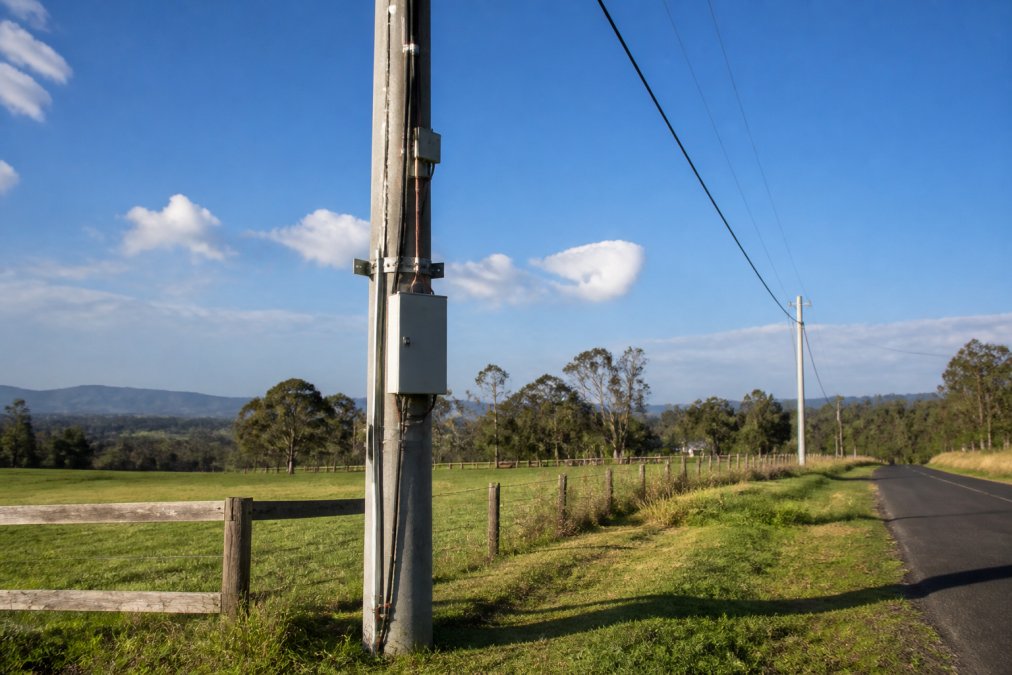
Private power pole insurance is fundamentally different from standard home and contents coverage. Most homeowners assume their general insurance protects the physical pole on their property, but the reality is far more complicated. A private power pole is treated as a fixed structure, similar to a shed or fence, and coverage depends entirely on what your policy specifically states about "private infrastructure."
Standard home and contents insurance typically covers damage caused by storms, falling trees, or weather events to structures you own. However, many policies exclude or limit coverage for power poles because they're classified as utility infrastructure. The excess (or deductible) on these claims is often substantial, sometimes $500 to $2,000 or more, which means small repairs become uneconomical to claim.
What most policies do cover is liability. If your power pole damages a neighbour's property or causes injury, your liability component should respond. But if the pole itself fails and needs replacement, you're often left to cover the cost yourself unless you've specifically added private power pole coverage as an endorsement to your policy.
Who Is Responsible for Private Power Pole Maintenance in Queensland
In Queensland, the responsibility for maintaining a private power pole falls entirely on the property owner, not the electricity distributor. This is a critical distinction that many homeowners miss.
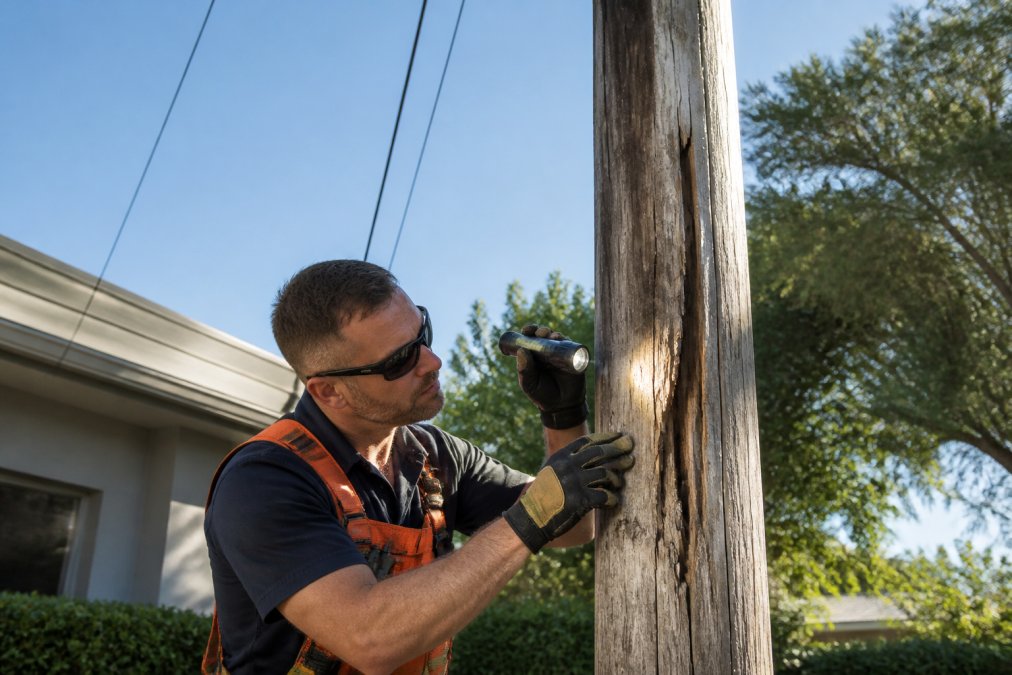
If the pole is on your land and supplies power to your home, you own it and you're responsible for its upkeep. Queensland's electrical standards require that private poles meet the same safety requirements as utility poles. This means regular inspection for rot, structural damage, leaning, or deterioration.
Energex or Ergon Energy (depending on your region) will not maintain your private pole, even if it's old or damaged. They'll only maintain the distribution lines attached to it. If a council inspector issues a defect notice, which happens regularly on the Gold Coast, the property owner must arrange repairs or replacement at their own expense.
The cost of addressing a defect notice can be significant. A licensed electrician needs to inspect the pole, provide a report, and then coordinate replacement or remedial work. This is where many property owners first realise they don't have adequate insurance coverage.
Private Power Pole Replacement Cost on the Gold Coast
A new private power pole on the Gold Coast typically costs several thousand dollars, depending on the pole type, height, and installation complexity. Timber poles are the most common and usually the least expensive option. However, costs vary based on site access, ground conditions, and whether the pole needs to support additional infrastructure like solar equipment or battery systems.
The replacement process involves more than just the pole itself. You'll need a licensed electrical contractor to disconnect the existing supply, remove the old pole safely, install the new one, reconnect the lines, and ensure everything meets current safety standards. If the pole is in difficult terrain or near structures, costs increase further.
What makes replacement particularly expensive is the requirement for professional installation and compliance verification. You cannot simply hire a general contractor, the work must be done by a licensed electrician who understands Queensland's electrical safety standards. At Brux Electrical, we provide private pole assessments and replacements for Gold Coast properties, ensuring the work meets all regulatory requirements and is completed safely.
The financial impact of an unexpected replacement, especially if it comes from a council defect notice, is precisely why some property owners consider insurance. However, the insurance premium must be weighed against the actual replacement cost and the likelihood of needing it.
Underground Power Trenching Requirements on the Gold Coast
If you're considering upgrading from a private power pole to underground power, you'll face additional regulatory requirements specific to the Gold Coast and Queensland.
Underground power trenching must comply with Queensland's electrical safety standards and local council requirements. The trench depth, cable type, and installation method are all specified by regulation. Typically, power cables need to be buried at least 600mm deep and protected with warning tape and conduit in certain situations.
The cost of underground power installation is substantially higher than maintaining a pole, often 2 to 3 times the cost of pole replacement. However, underground power eliminates the ongoing maintenance burden and reduces exposure to storm damage. For properties in high-wind areas or those prone to lightning strikes, underground power offers genuine advantages.
This is another area where Brux Electrical can advise Gold Coast property owners. If your pole is deteriorating and replacement is inevitable, transitioning to underground power might be a long-term solution worth evaluating against the cost of repeated pole maintenance and potential insurance claims.
When Insurance Makes Financial Sense
Private power pole insurance makes financial sense in specific circumstances, not universally.
If your pole is old, more than 30 years, and shows signs of deterioration, insurance provides a financial safety net. Storm damage is common on the Gold Coast, and a pole that's already weakened by age or rot is more vulnerable. If a storm brings down your pole and damages your home or a neighbour's property, insurance can cover the replacement and liability costs.
Insurance is also worth considering if you have limited cash reserves and cannot absorb a sudden $5,000 to $10,000 replacement bill. The peace of mind alone might justify the premium, particularly if you live in a high-risk area for severe weather.
However, if your pole is relatively new, in good condition, and you have the financial capacity to handle a replacement if needed, insurance becomes a lower priority. The annual premium compounds over time, and if you never claim, you've paid thousands for coverage you didn't use.
The key question is whether the probability of needing the insurance multiplied by the replacement cost exceeds the annual premium over the years you own the property. For most Gold Coast homeowners, that calculation tips toward self-insuring, maintaining the pole regularly and setting aside funds for eventual replacement.
Alternatives to Private Power Pole Insurance
Rather than relying on insurance, many property owners adopt a maintenance-first approach. Regular inspections by a licensed electrician, every 2 to 3 years, catch problems early when repairs are cheaper than replacement. A $500 inspection and minor repair is far less painful than a $8,000 replacement bill.
Another alternative is transitioning to underground power, which eliminates the pole maintenance burden entirely. This requires upfront investment but removes the ongoing risk and expense. For properties undergoing renovation or upgrade, underground power installation is worth evaluating alongside pole replacement.
Self-insurance, setting aside funds specifically for pole replacement, is a practical option for property owners who can afford it. Over 20 years, setting aside $200 to $300 annually creates a replacement fund without paying insurance premiums to a third party.
Some property owners also negotiate responsibility with their electricity distributor in cases where the pole is shared or supports distributor infrastructure. This is rare, but worth exploring if your pole serves multiple properties or critical distribution functions.
Verdict: Is It Worth Your Money?
Private power pole insurance is worth purchasing if your pole is ageing, you live in a high-risk weather area, or you lack the financial capacity to handle an unexpected replacement. It's also sensible if a council defect notice is already in hand, the insurance can cover remedial work.
For younger poles in good condition, or for property owners with adequate savings and access to regular maintenance, insurance is likely unnecessary. The annual premium is better spent on preventive inspections and maintenance.
The most important step is understanding your current coverage. Contact your home and contents insurer today and ask explicitly whether your policy covers private power pole damage. Many people discover gaps only after damage occurs.
At Brux Electrical in Tugun, we help Gold Coast property owners navigate these decisions. We provide transparent assessments of pole condition, clear advice on whether replacement is urgent, and professional installation when it's needed. Rather than guessing whether insurance is right for your situation, get a professional inspection and quote. That clarity makes the insurance decision straightforward.
Frequently Asked Questions
Are homeowners responsible for private power poles in Queensland?
Yes. If the power pole is on your property and not owned by the electricity network provider, you are legally responsible for its maintenance, repair, and replacement. This includes ensuring it meets current safety standards set by Queensland electrical regulations. Neglecting this responsibility can result in defect notices from local councils and create liability if the pole causes injury or damage.
Does standard home and contents insurance cover private power pole damage?
It depends on your specific policy wording. Some standard home and contents insurance policies may cover fixed structures on your property, including private power poles, but coverage is often limited and subject to high excesses. Many policies exclude or restrict coverage for poles damaged by wear and tear, natural causes, or lack of maintenance. Always check your policy documents or contact your insurer directly to confirm what is actually covered.
How much does it cost to replace a private power pole on the Gold Coast?
Replacement costs vary significantly based on pole condition, height, materials, site access, and whether underground trenching is required. A licensed local electrician can assess your specific situation and provide a clear, itemised quote. Contact Brux Electrical for a transparent assessment and quote tailored to your property's needs.
What happens if my private power pole fails during a storm?
If your private power pole fails, you are responsible for the cost of repair or replacement. This can be substantial. During severe weather, emergency repairs may cost more due to demand. If the failed pole damages third-party property or causes injury, you could face significant liability claims. This financial risk is where some property owners consider insurance or budget for planned maintenance and eventual replacement.
Protecting your property from electrical hazards starts with understanding what you're actually insured for. A private power pole defect notice can cost thousands to resolve, but regular maintenance and professional assessment prevent most problems before they become emergencies. Get a quote from Brux Electrical and discover whether your pole needs attention now or whether insurance is the right safety net for your property.
