Is Off-Grid Solar Worth the Cost in 2026?
Table of Contents
- The Real Verdict: When Off-Grid Solar Makes Financial Sense
- Off-Grid Solar System Cost in Australia: What You'll Actually Pay
- Grid-Tied vs Off-Grid Solar: Pros and Cons Compared
- Return on Investment: How Long Until Off-Grid Solar Pays for Itself
- Factors That Determine Whether Off-Grid Solar Is Worth It
- Off-Grid Solar Maintenance Requirements and Hidden Costs
- Conclusion: Is Off-Grid Solar Right for You?
- Frequently Asked Questions
Last Updated: October 2, 2026
The Real Verdict: When Off-Grid Solar Makes Financial Sense
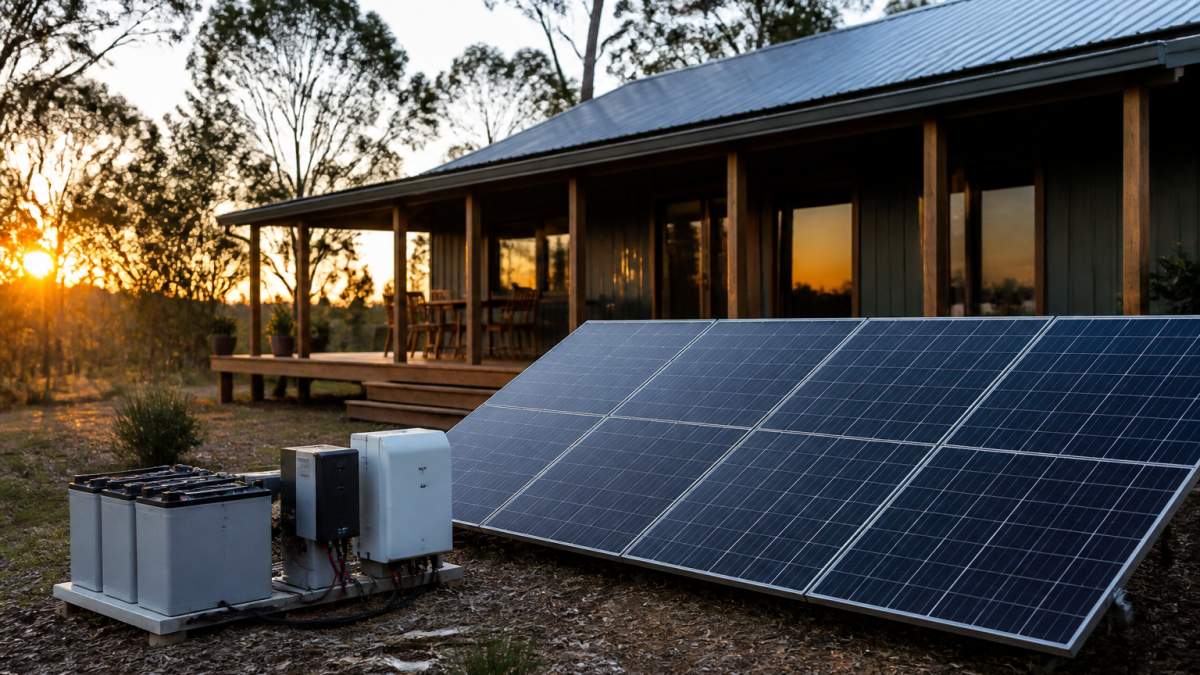
Is off-grid solar worth the cost? Whether is off grid solar worth the cost depends entirely on your location, energy consumption, and how far you are from the existing grid. For properties on the Gold Coast where grid connection is already established, off-grid solar rarely justifies the investment. But for remote properties where connecting to the main grid would cost tens of thousands of dollars, an off-grid system can be the smarter financial choice.
The key insight most people miss: off-grid solar isn't cheaper than grid-tied solar. It's more expensive upfront because you're paying for battery storage, backup generators, and more strong inverters. What makes it worth considering is the alternative cost. If your property sits 5+ kilometres from the nearest grid connection point, the utility company's connection fee might exceed what you'd spend on a complete off-grid system.
At Brux Electrical, we help Gold Coast homeowners and remote property owners evaluate this decision by comparing their specific situation against real numbers. The difference between a sound investment and a financial mistake comes down to three factors: your distance from the grid, your actual energy consumption, and whether you're willing to manage a more complex system.
Off-Grid Solar System Cost in Australia: What You'll Actually Pay
An off-grid solar system typically costs significantly more than a comparable grid-tied installation. The additional expense comes from battery storage, larger inverters, and redundancy components that grid-tied systems don't require.
For a modest off-grid setup powering a remote cabin or small residential property, a 3kW solar array with 10kWh battery storage forms the foundation.
The real cost breakdown includes several layers: solar panels themselves, battery storage (the single largest expense), inverters and charge controllers, mounting hardware, wiring and safety equipment, and professional installation labour. Each layer varies based on your system size and the quality of equipment selected.
What separates a reasonable investment from an overpriced installation is transparency. When you receive a quote, you should understand exactly what each component costs and why it's sized the way it is. This is where many installers cut corners or inflate prices.
Grid-Tied vs Off-Grid Solar: Pros and Cons Compared
| Factor | Grid-Tied Solar | Off-Grid Solar |
|---|---|---|
| Upfront Cost | Lower (no batteries) | Higher (includes battery storage) |
| System Complexity | Simple, minimal maintenance | Complex, requires monitoring |
| Power Reliability | Dependent on grid | Dependent on battery charge level |
| Weather Resilience | Grid backs you up | Battery storage only |
| Maintenance | Minimal | Regular battery and system checks |
| Payback Period | 5-8 years typical | 10-15 years or longer |
| Best For | Urban/suburban areas with grid access | Remote properties, grid independence priority |
Grid-tied solar connects your system to the electricity network. Excess power flows to the grid, and you draw power from it when your panels aren't generating enough.
Off-grid solar disconnects entirely from the network. Everything you use comes from your panels and batteries. When clouds block the sun or demand exceeds generation, your battery bank supplies the power. When batteries are depleted, a backup generator kicks in, adding another layer of cost and maintenance.
The practical difference emerges during bad weather. A grid-tied system lets you draw unlimited power from the network when your panels underperform. An off-grid system can only draw what your batteries have stored.
For most Gold Coast properties with existing grid access, grid-tied solar with battery backup offers the best balance. You get the cost savings of solar, the reliability of grid connection, and battery backup for emergencies, without the full expense and complexity of a complete off-grid setup.
Return on Investment: How Long Until Off-Grid Solar Pays for Itself
Payback period for off-grid solar typically extends longer than for grid-tied systems. This longer timeline reflects the higher upfront investment in batteries and more strong components.
However, payback period isn't the only financial metric that matters.
Consider a concrete scenario: a remote property 8 kilometres from the nearest grid connection. The utility company quotes a significant amount to extend infrastructure to your site. An off-grid system costs less installed.
For properties already connected to the grid, the math works differently. You're comparing the cost of your off-grid system against the electricity bills you'd pay if you stayed connected.
What changes the equation is government incentives. Rebates, tax credits, and subsidies vary by state and change frequently. Checking current Queensland incentives through official government channels can reduce your effective system cost, improving payback timelines.
Factors That Determine Whether Off-Grid Solar Is Worth It
Your distance from the grid is the primary factor determining whether off-grid solar makes financial sense. Properties within 2 kilometres of existing infrastructure should almost always stay grid-connected.
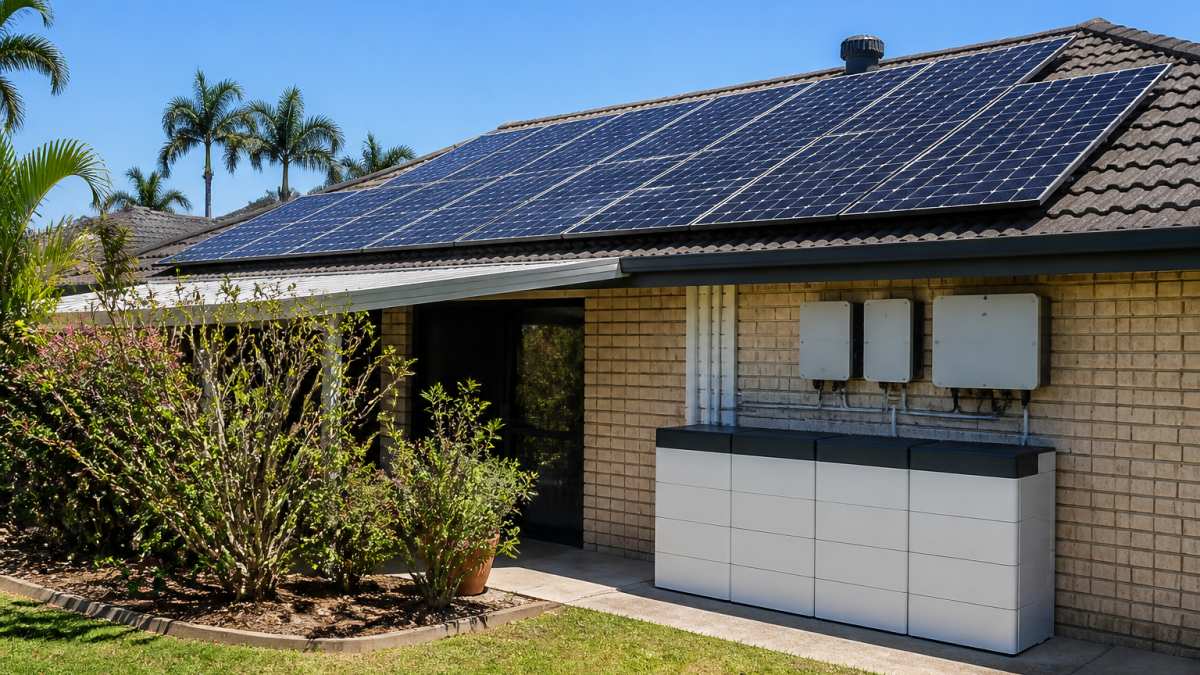
Your actual energy consumption matters more than you might think. Many households consume far less electricity than they assume.
Your location's solar irradiance affects system productivity. The Gold Coast receives excellent solar resources year-round, making off-grid solar more viable here than in southern states.
Your tolerance for system management matters. Off-grid systems require monitoring. You need to understand when to reduce consumption during cloudy periods, manage generator fuel, and perform regular maintenance.
Your long-term plans affect the decision. If you're planning to sell within five years, off-grid solar's longer payback period makes it a poor investment.
Whether you have backup power options also influences the decision.
Off-Grid Solar Maintenance Requirements and Hidden Costs
Off-grid systems demand more attention than grid-tied installations. Battery systems require regular monitoring to ensure they're charging and discharging properly. Inverters need periodic servicing. Backup generators require fuel, maintenance, and annual testing.
Battery maintenance is the most critical ongoing task. Lithium batteries need less hands-on attention than older lead-acid batteries, but they still require monitoring software and occasional firmware updates.
Generator maintenance is often overlooked in cost projections. Your backup generator needs regular servicing, fuel stabilization if stored long-term, and annual load testing to ensure it starts and runs properly when needed.
System monitoring adds another layer. Most modern off-grid systems include monitoring apps that alert you to problems, but you need to actively check them.
The hidden cost most people underestimate is replacement. Batteries degrade over time. After 10-15 years, you'll likely need a replacement battery bank. Inverters typically last 10-15 years as well.
At Brux Electrical, we design systems with maintenance accessibility in mind.
Conclusion: Is Off-Grid Solar Right for You?
Is off-grid solar worth the cost? Whether is off grid solar worth the cost depends on your specific circumstances. For properties already connected to the grid, grid-tied solar with battery backup typically delivers better value. For remote properties where grid connection is impractical or prohibitively expensive, off-grid solar can be the most cost-effective long-term choice.
The decision hinges on three questions: How far are you from the grid? How much electricity do you actually use? How long do you plan to stay at your property? Answer those honestly, and the financial case for or against off-grid solar becomes clear.
If you're on the Gold Coast and considering either grid-tied or off-grid solar, Brux Electrical can help you evaluate your specific situation with a clear, itemized quote that explains exactly what you're paying for and why. We size systems to your actual energy needs, not inflated theoretical demands, and ensure you understand the long-term costs before committing. Get a quote from Brux Electrical and speak directly with the installer who'll handle your project from start to finish, with no subcontractors or call centres between you and the work.
Frequently Asked Questions
What is the average cost of an off-grid solar system in Australia?
Off-grid solar system costs vary significantly based on your energy consumption, battery storage capacity, and location. A 3 kW system with battery storage requires a significant investment for components alone, and professional installation, compliance with Australian Standards (AS/NZS 5033), and system sizing can increase total costs substantially. Your actual investment depends on your specific energy needs. Contact a local installer for an itemised quote tailored to your property and consumption patterns.
How do battery storage costs impact the ROI of off-grid solar?
Battery storage is often the largest cost component of an off-grid system, typically representing 40-60% of total investment. While batteries enable energy independence and backup power during outages, they also extend your payback period. Battery lifespan (usually 10-15 years) and replacement costs must factor into your ROI calculation. Properties with high energy consumption or those far from grid infrastructure see better returns because they avoid expensive grid connection fees or ongoing utility costs.
What are the main maintenance requirements for off-grid solar systems?
Off-grid systems require regular monitoring of battery health, inverter performance, and panel cleanliness. Battery systems need periodic checks to ensure proper charge cycles and voltage balance. Solar panels should be cleaned 2-4 times yearly depending on dust and weather. Unlike grid-tied systems, off-grid setups demand more active management because you're responsible for your entire power supply. Professional aftercare and monitoring services help catch issues before they affect your power supply.
Can I go off-grid if I live in a suburban area?
Yes, suburban properties can go off-grid, but it requires careful system sizing and battery capacity planning. Suburban homes typically have higher energy consumption than rural properties, which means larger battery banks and more solar panels. Council regulations and building codes also apply. Before proceeding, assess your actual energy usage, roof space, and local weather patterns. A professional installer can determine whether off-grid is practical and cost-effective for your specific property and consumption needs.
What happens when my off-grid solar system runs out of power?
If your battery storage depletes, your system stops supplying power until the batteries recharge (typically during daylight hours). This is why proper system sizing is critical. A well-designed off-grid system includes battery capacity to cover your average daily consumption plus a safety margin for cloudy days. Professional installers size systems to handle your location's weather patterns and seasonal variations. Backup generators are sometimes included for extended periods of poor weather or high consumption.
