Industrial Electrical Contractors for Warehouses
Table of Contents
- What Industrial Electrical Contractors Do for Warehouses
- Warehouse Electrical Fit-Out: Planning and Installation
- Warehouse Electrical Maintenance: Keeping Systems Running
- Warehouse Electrical Safety Inspections: Compliance and Standards
- Warehouse Power Upgrades: When and Why You Need Them
- Choosing the Right Industrial Electrical Contractor
- Conclusion
- Frequently Asked Questions
Last Updated: October 14, 2026
What Industrial Electrical Contractors Do for Warehouses
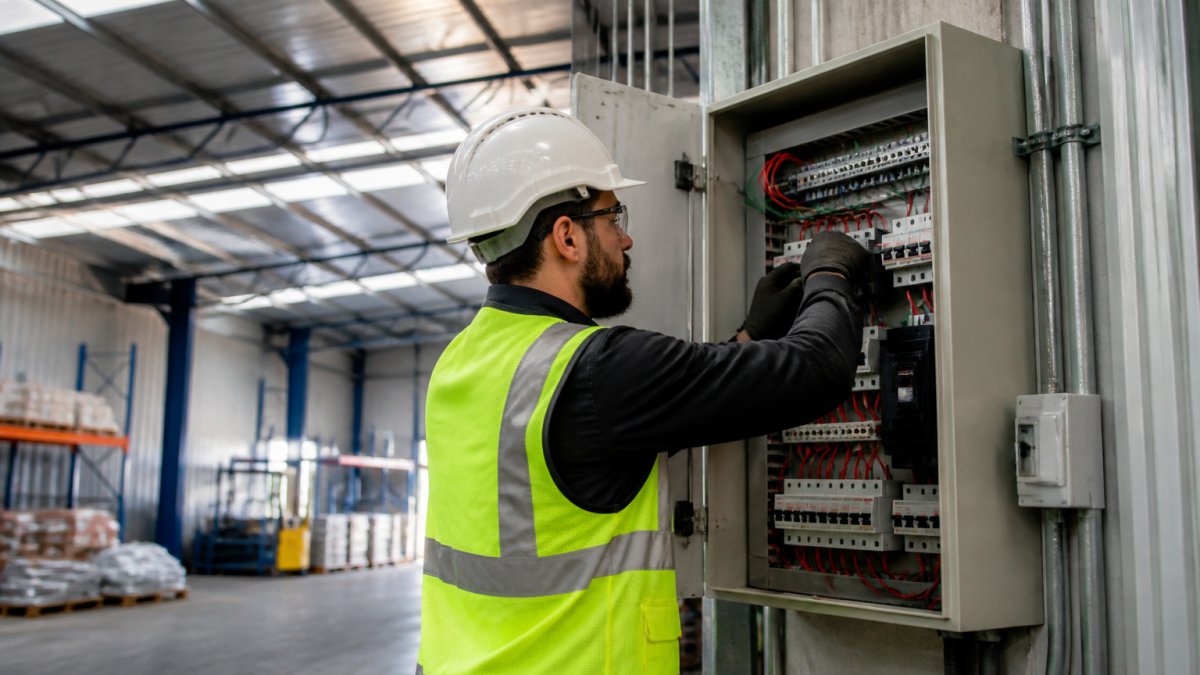
Industrial electrical contractors warehouses rely on handle far more than standard wiring. They design, install, and maintain the complex power systems that keep large-scale operations running 24/7. This includes everything from primary distribution boards and heavy-duty cable runs to specialised lighting systems and backup power solutions.
The work demands precision. A warehouse's electrical infrastructure must support everything from forklift charging stations to climate control systems and security networks. When something fails, the entire operation stops. That's why choosing the right industrial electrical contractors for warehouses near you matters so much.
At Brux Electrical, we understand the unique demands of warehouses. Most facility managers don't realise how much their electrical system influences operational efficiency and safety compliance. The difference between a poorly designed system and a well-planned one can mean thousands in wasted energy or costly downtime.
Warehouse Electrical Fit-Out: Planning and Installation
A proper warehouse electrical fit-out starts with understanding your facility's actual power requirements, not just guessing based on square footage. Industrial electrical contractors assess your equipment, future expansion plans, and operational patterns to size systems correctly.
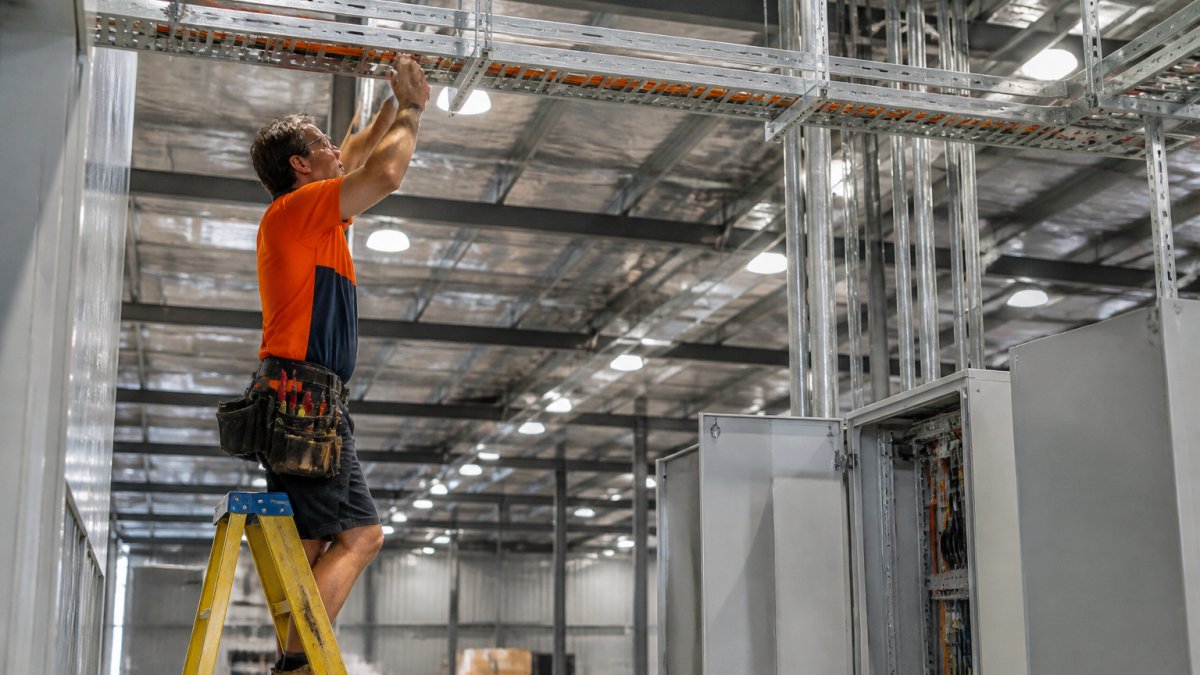
The installation phase involves running heavy-gauge cabling through cable trays, installing distribution boards at strategic locations, and ensuring every circuit is properly graded for its load. Safety isn't an afterthought here, it's built into every decision. Proper spacing, ventilation around electrical equipment, and compliance with Australian Standards are non-negotiable.
Most warehouse operators overlook one critical detail: future flexibility. A good fit-out includes spare capacity and accessible cable routes so you can add circuits later without tearing into walls. This forward thinking saves enormous cost when your operation grows. The person who designs your system should be the one installing it.
Warehouse Electrical Maintenance: Keeping Systems Running
Preventative maintenance separates warehouses that run smoothly from those that face unexpected shutdowns. Regular inspections catch deteriorating cables, loose connections, and overloaded circuits before they fail. Most facilities benefit from scheduled maintenance visits every six months, with more frequent checks during peak operational periods.
Maintenance includes testing backup power systems, cleaning distribution boards, checking earth continuity, and verifying that safety switches respond correctly. These aren't glamorous tasks, but they're what keep your operation reliable. A local contractor who knows your warehouse can spot emerging issues faster than someone unfamiliar with your setup.
When maintenance is handled by the same team that installed your system, they understand your specific configuration and can respond quickly when issues arise. There's no subcontractors to coordinate, and no delays while someone else figures out how your system works.
Warehouse Electrical Safety Inspections: Compliance and Standards
Australian electrical standards for commercial warehouses are strict, and for good reason. The risk of fire, electrocution, and equipment damage is significant when systems aren't properly maintained. Regular safety inspections ensure your warehouse meets the current electrical safety standards and identify hazards before they become problems.
These inspections test earth leakage protection, verify that all circuits are properly labelled and graded, check for deterioration in cable insulation, and confirm that emergency lighting and exit signage work correctly. Many facility managers don't realise that a defect notice from your local council isn't just a compliance issue, it's a liability issue. Insurance may not cover incidents if your electrical system hasn't been certified as safe.
The inspection should produce a detailed report identifying any issues and recommending fixes. A reputable contractor will prioritise these by risk level so you can address the most critical items first. This transparency helps you make informed decisions about maintenance budgets and scheduling.
Warehouse Power Upgrades: When and Why You Need Them
Power upgrades become necessary for several reasons: expanding operations, adding new equipment that draws more current, or addressing safety defects. Many older warehouses on the Gold Coast have electrical infrastructure that's adequate for their original purpose but insufficient for modern demands.
The decision to upgrade isn't always obvious. You might notice dimming lights when heavy equipment starts, circuit breakers tripping frequently, or warm cables in your distribution board. These are warning signs that your system is working beyond its safe capacity. Waiting until failure occurs is expensive, unplanned downtime costs far more than a planned upgrade.
A proper power upgrade involves assessing your current infrastructure, calculating your actual and projected power needs, and designing a system that handles both comfortably. This might mean upgrading your main switchboard, running heavier cables from the street, or installing a second distribution point. The scope depends entirely on your specific situation, which is why a detailed assessment by someone who understands industrial systems matters.
Choosing the Right Industrial Electrical Contractor
The most common mistake is choosing based on price alone. The cheapest quote often means corners cut somewhere, subcontractors with less experience, lower-quality materials, or rushed installation. When your warehouse depends on reliable power, this false economy costs heavily later.
Look for contractors who are fully licensed and insured, with specific experience in warehouse electrical work. Ask whether the person quoting your job will actually be the one installing it. If they hand you off to subcontractors, you lose continuity and accountability. The best contractors stand behind their work personally.
You get direct communication, consistent service, and someone who cares about their reputation in the local community. When something needs attention after installation, you can reach the person who knows your system.
Ask for references from other warehouse operators. A contractor worth hiring will have happy clients who can speak to their reliability and quality. The difference between a contractor who treats your warehouse as just another job and one who takes pride in getting your system right shows immediately in how they communicate and how thoroughly they work.
Conclusion
Industrial electrical contractors warehouses serve face complex systems that demand expertise beyond standard residential or office work. The right industrial electrical contractors for warehouses understand load calculations, safety standards, and the operational realities of large facilities. They design systems that work reliably, maintain them proactively, and respond quickly when issues arise.
At Brux Electrical in Tugun, we provide warehouse electrical fit-outs, maintenance, and power upgrades. Our owner-operated approach means you work directly with the licensed electrician who quotes and installs your system, no subcontractors, no call centres, just reliable expertise and transparent communication. When your warehouse needs industrial electrical work done right, get a quote and see why local facility managers trust us to keep their operations running.
Frequently Asked Questions
What does an industrial electrical contractor do in a warehouse?
Industrial electrical contractors handle the complete electrical infrastructure for warehouses, including installation of power distribution systems, lighting networks, emergency systems, and safety equipment. They design systems to handle heavy loads, install equipment to code, perform maintenance to prevent downtime, and conduct safety inspections to ensure compliance with Queensland electrical standards. Their work keeps your facility safe, operational, and compliant with regulations.
How do I know a contractor is licensed to work on industrial electrical systems in Queensland?
Check the Queensland Building and Construction Commission (QBCC) register to verify the contractor holds a current electrical contractor licence. Ask for their licence number and verify it independently. Licensed contractors carry proof of insurance and comply with the Queensland Electrical Safety Act. A reputable contractor will provide this information upfront without hesitation and explain their qualifications clearly.
What should I expect in a warehouse electrical quote?
A comprehensive quote should itemise labour, materials, equipment specifications, timeline, safety measures, and any site-specific requirements. It should clearly state what's included and what isn't. Avoid quotes that lack detail or seem vague about scope. The best contractors explain the quote in plain language, answer your questions, and ensure you understand exactly what work will be performed before you commit.
How often should warehouse electrical systems be inspected?
Warehouses typically require electrical safety inspections every 1-5 years depending on usage intensity and equipment age, though some high-demand facilities benefit from annual checks. After major upgrades or following a fault, immediate inspection is essential. Your contractor can assess your specific situation and recommend an inspection schedule that keeps your systems safe and compliant with Queensland regulations.
