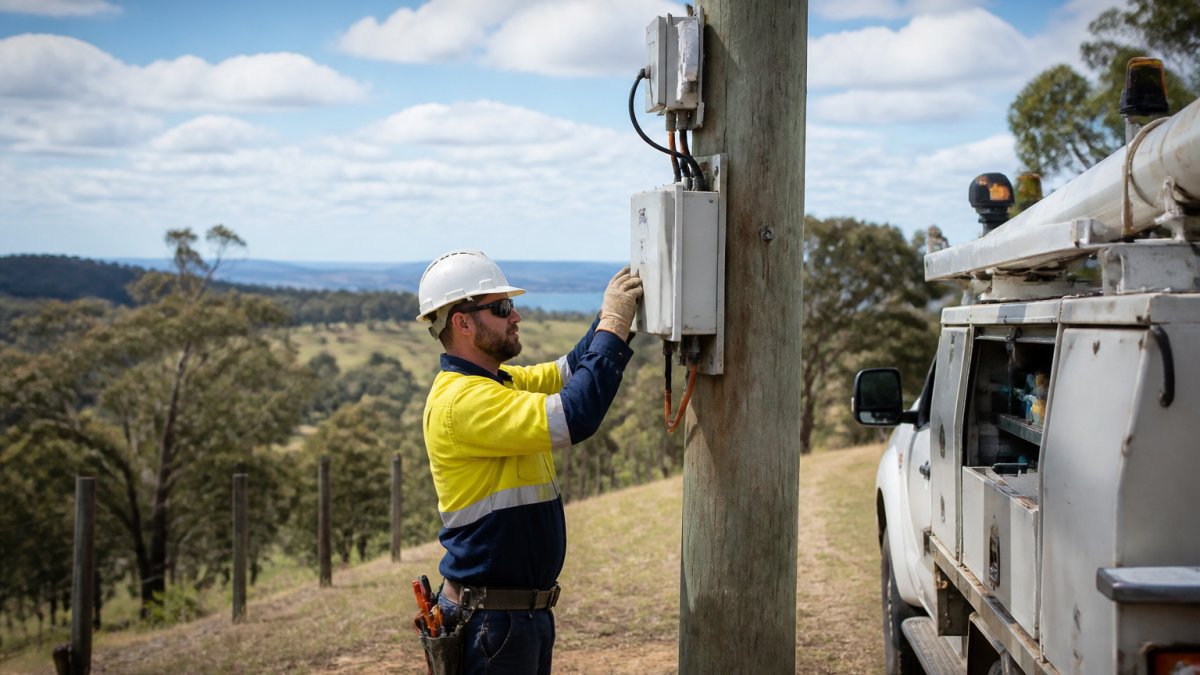
How to Choose a Private Power Pole Contractor
Table of Contents
- What to Look for in a Private Power Pole Contractor
- Understand Energex Private Power Pole Requirements
- Underground Power Trenching Requirements on the Gold Coast
- Questions to Ask Before Hiring
- Private Power Pole Installation Cost: What Affects the Price
- Common Mistakes to Avoid When Choosing a Contractor
- Frequently Asked Questions
Last Updated: September 29, 2026
What to Look for in a Private Power Pole Contractor
Choosing the right private power pole contractor can mean the difference between a safe, compliant installation and a costly mistake. A skilled private power pole contractor understands local regulations, has proper qualifications, and communicates clearly about what your property actually needs.
The best contractors listen first. They inspect your site, ask about your power requirements, and explain what work is necessary without overselling. They'll be licensed and insured, hold relevant certifications, and have verifiable experience with installations similar to yours.
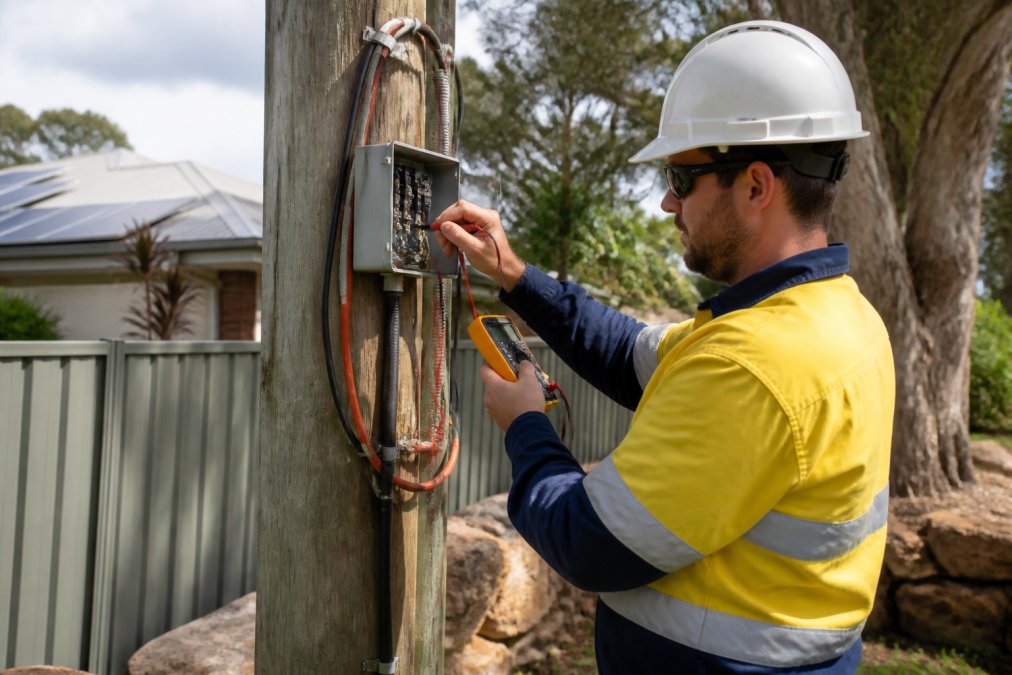
Look for these key qualities:
- Licensed and insured, verify their electrical licence with the relevant authority
- Local experience, they understand regional standards and soil conditions
- Clear communication, they explain the work in plain language, not jargon
- Itemised quotes, you see exactly what you're paying for
- References, they can name previous clients on similar projects
- No pressure sales, they recommend what you need, not what maximises their profit
A contractor who sends the same person to quote and install your job is worth extra consideration. You get continuity, accountability, and direct answers to questions that arise during the work.
Understand Energex Private Power Pole Requirements
Energex private power pole requirements vary depending on your property's location and connection type. Before hiring a private power pole contractor, understand what your local distributor actually requires.
Private power poles serve as the connection point between the main network and your home or business. If you own the pole, you're responsible for its maintenance, safety, and compliance. Energex sets standards for how poles must be installed, maintained, and inspected.
Key requirements typically include:
- Structural integrity, poles must meet Australian Standards for materials and installation depth
- Clearances, adequate distance from buildings, trees, and other structures
- Safety switches and protection, modern equipment to prevent electrical hazards
- Regular inspections, poles must be tested for deterioration and safety compliance
- Documentation, records of maintenance and any work performed
Your private power pole contractor should be familiar with Energex documentation and able to explain what your specific installation requires. Many older poles fail inspection because they don't meet current standards for depth, material, or electrical protection.
If you've received a defect notice, your contractor should be able to assess whether repair or replacement is needed and provide a clear timeline for the work.
Underground Power Trenching Requirements on the Gold Coast
Underground power trenching on the Gold Coast involves specific requirements for depth, clearance, and cable protection. These rules exist to protect your installation and prevent damage from future digging or landscaping.
The Gold Coast's soil conditions, water table, and building density mean underground installations need careful planning. Your private power pole contractor should understand local soil types and how they affect trench depth and cable protection.
Standard underground power trenching requirements include:
- Minimum depth, typically 600mm for domestic installations, deeper in high-traffic areas
- Cable protection, conduit or cable covers to prevent damage from tools or settlement
- Clearance from structures, safe distance from building foundations and other services
- Marking and documentation, clear records of cable location for future reference
- Inspection and testing, verification that the installation meets standards before backfill
The Gold Coast's coastal environment means salt spray and moisture can affect materials. Your contractor should specify corrosion-resistant conduit and fittings designed for this climate.
Before any trenching work begins, call Dial Before You Dig to locate underground services. This prevents hitting water, gas, or telecommunications lines and is a legal requirement.
Questions to Ask Before Hiring
Ask these questions before committing to any private power pole contractor. Their answers reveal their expertise and whether they're the right fit for your job.
-
Are you licensed and insured? Ask to see current electrical licence and public liability insurance. Verify the licence is current with the relevant authority.
-
How many private power pole installations have you completed in the past two years? Specific numbers matter. Fewer than five suggests limited experience with this specialised work.
-
Will you be doing the work yourself, or using subcontractors? Some contractors hand off jobs to other teams. If direct communication and continuity matter to you, clarify who shows up on installation day.
-
Can you provide references from similar projects? Ask for at least two clients with comparable installations. Contact them and ask about communication, timeline, and whether the contractor addressed issues promptly.
-
What's included in your quote, and what's not? A good quote itemises labour, materials, inspections, and any council fees. Vague quotes hide surprises.
-
How do you handle changes or unexpected issues? Trenching might hit rock. Poles might need deeper footings. Ask how they'll communicate and quote additional work.
-
What's your timeline, and what could delay it? Weather, council approvals, and material delivery all affect schedules. Realistic contractors explain these variables upfront.
-
What warranty or aftercare do you provide? Understand what's covered if something fails, and for how long. Will they return to fix problems without passing you to another contractor?
-
Do you handle the council paperwork, or is that my responsibility? Some installations require council notification or approval. Clarify who manages this.
-
What's your experience with my specific situation? Whether it's solar preparation, off-grid systems, or a defect notice repair, they should have handled similar work before.
Private Power Pole Installation Cost: What Affects the Price
Private power pole installation cost depends on several factors. Understanding these helps you evaluate quotes fairly and avoid underpriced work that cuts corners.
Factors that affect pricing:
- Pole material and height, timber, concrete, or steel poles vary in cost; taller poles cost more
- Site access and soil conditions, difficult terrain or rock requires extra labour and equipment
- Trenching depth and distance, underground installations cost significantly more than overhead poles
- Electrical protection and switching, modern safety equipment adds cost but is essential
- Council and inspection fees, varies by location and installation type
- Urgency, rush jobs may incur premium labour rates
A private power pole contractor on the Gold Coast should provide a detailed quote showing each cost component. If one quote is significantly lower than others, ask why. Cheap work often means shortcuts on materials, safety, or compliance.
The cheapest option rarely delivers the best long-term value. A properly installed pole lasts decades. A cut-rate installation may fail within years, requiring expensive repairs or replacement.
Common Mistakes to Avoid When Choosing a Contractor
Many property owners make preventable mistakes when selecting a private power pole contractor. Learning from these saves money, time, and stress.
Choosing based on price alone. The lowest quote often reflects lower-quality materials or rushed work. Compare quotes on scope and materials, not just total cost.
Hiring someone without local experience. A contractor experienced in Melbourne may not understand Gold Coast soil, salt spray, or local council requirements. Local knowledge matters.
Not verifying credentials. Always confirm the contractor's electrical licence is current and their insurance is active. A phone call to the licensing authority takes five minutes and prevents major problems.
Accepting vague quotes. "Labour and materials: $X" tells you nothing. Insist on itemised quotes that break down what you're paying for.
Ignoring communication red flags. If a contractor is hard to reach, dismissive of your questions, or vague about timelines, these patterns continue after you hire them.
Skipping references. Calling previous clients feels like extra work but reveals how the contractor actually operates. Ask specifically about communication, timeline adherence, and problem-solving.
Assuming all contractors are equivalent. The difference between a contractor who passes work to subcontractors and one who does the work themselves affects your experience significantly.
Not discussing aftercare. What happens if something fails after installation? Will they return to fix it, or are you on your own?
At Brux Electrical, we believe the contractor you choose should stand behind their work. That's why the same person who quotes your job performs the installation. You get direct communication, continuity, and accountability from start to finish.
Choosing a private power pole contractor is one of the most important electrical decisions you'll make for your property.
Frequently Asked Questions
What qualifications should a private power pole contractor have?
A private power pole contractor must hold a current Queensland electrical licence from the Electrical Contractors Board and hold public liability insurance. They should be familiar with Energex requirements and Australian Standards AS/NZS 3000 (the wiring rules). Ask for proof of licensing and insurance before hiring. A reputable contractor will provide these credentials without hesitation and explain how they stay current with safety standards.
What are the main Energex private power pole requirements?
Energex requires private power poles to meet specific structural and safety standards, including proper grounding, correct pole height and positioning, and compliance with electrical safety distances. The pole must be inspected and approved by Energex before connection. Your contractor should manage the entire approval process and ensure the installation meets all local regulations. Non-compliance can result in disconnection and costly rework.
How do I know if a private power pole contractor is reliable?
Check whether the same person who quotes the job will perform the installation, subcontractors often mean inconsistent quality and communication gaps. Ask for local references from recent projects and verify their licensing online through the Electrical Contractors Board. A reliable contractor will provide itemised quotes, explain the work clearly without jargon, and be available for aftercare if issues arise. Avoid contractors who pressure you into decisions or refuse to answer questions.
What should I do if my power pole has a defect notice from the council?
Contact a licensed private power pole contractor immediately to assess the defect and plan replacement or repair. Council defect notices typically require action within a set timeframe. Your contractor should liaise with council, manage Energex approvals, and handle the entire compliance process. Do not delay, ignoring a defect notice can result in disconnection and fines. Choose a contractor experienced in remedial work and council compliance.
