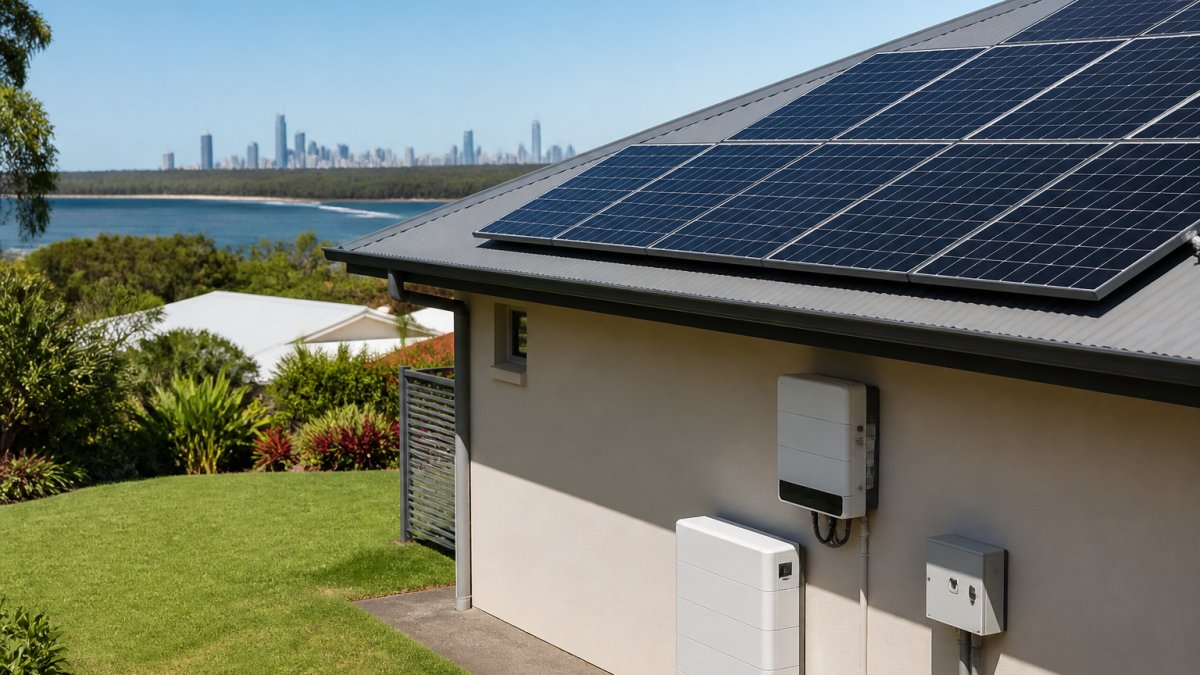
Gold Coast Solar Power Solutions: 2026 Review
Table of Contents
- What Gold Coast Solar Power Solutions Deliver
- Getting Solar Quotes on the Gold Coast
- Solar Panels vs Solar Tiles for Your Roof
- Solar Installer Reviews and Credentials
- Your Solar Installation Checklist
- Right-Sizing Your System to Your Energy Bills
- Why Owner-Operated Installation Matters
- Frequently Asked Questions
Last Updated: October 13, 2026
What Gold Coast Solar Power Solutions Deliver
Solar power solutions on the Gold Coast have evolved significantly. What you're really buying isn't just panels and inverters, it's a system sized to your actual energy consumption, installed by someone who understands your property's specific challenges, and backed by aftercare you can rely on.
The best gold coast solar power solutions start with honest assessment. Your system should match your energy bills, not your neighbor's ambitions. A common mistake is oversizing: installers padding quotes with capacity you'll never use, inflating costs and warranty complexity. The right approach means clear, itemized quotes that explain exactly what you're paying for and why.
At Brux Electrical, we've built our practice around this principle. Our owner-operated model means the same electrician who quotes your system installs it, manages your aftercare, and answers your questions without passing you to a call center. That direct accountability changes everything about how systems get sized and how problems get resolved.
The core components of any quality gold coast solar power solutions package include high-grade panels, an inverter matched to your roof configuration, proper electrical safety compliance, and a battery storage option if you want energy independence. But components alone don't guarantee results. Installation quality, system sizing accuracy, and genuine aftercare support are what separate systems that deliver on their promise from ones that disappoint.
Getting Solar Quotes on the Gold Coast
When you're shopping for solar quotes on the Gold Coast, you're comparing three things: equipment quality, installation competence, and the relationship you'll have with whoever installs it.
Most quotes come from call centers. You speak to a sales consultant, not the person doing the work. That distance creates problems. The installer never heard your concerns, doesn't know your roof's quirks, and has no incentive to right-size your system. The salesperson quoted aggressively to close the deal, and the installer is working to margin, not your satisfaction.
The better approach: request quotes directly from owner-operated teams. Ask who will be doing the installation. If the answer is "we'll assign someone," that's a red flag. The person quoting your job should be the person installing it.
When evaluating solar quotes on the Gold Coast, look for these specifics in writing:
- System size in kilowatts (kW), not vague descriptions like "premium" or "standard"
- Panel brand, wattage per panel, and total panel count
- Inverter type and capacity
- Electrical safety certification compliance (AS/NZS 4777 for grid-connected systems)
- Warranty terms on panels, inverter, and workmanship
- Timeline from quote to switch-on
- What happens if something fails in year two or year five
Price matters, but it's not the only metric. A quote 20% higher than the cheapest option often reflects better equipment or more careful installation. A quote significantly lower should trigger questions: Are they using lower-grade components? Cutting corners on safety compliance? Planning to upsell you later?
Solar Panels vs Solar Tiles for Your Roof
This choice depends on your roof age, aesthetic priorities, and budget. Both deliver solar power solutions, but they work differently.
Solar panels are the traditional approach. Rigid modules mount on top of your existing roof structure. They're efficient, durable, and straightforward to install and replace. If a panel fails in year seven, you swap it without touching the roof. Panels work well on pitched roofs with good sun exposure. On a roof nearing end-of-life, panels are the logical choice because you're not committing to 25 years of integrated roof-and-solar.
Solar tiles integrate into your roof membrane itself. They're newer, aesthetically seamless, and appeal to owners who dislike visible panel arrays. The tradeoff: higher upfront cost, more complex installation, and if one tile fails, accessing it means roof work. They're best suited to new builds or full roof replacements where you're already budgeting for roofing work anyway.
For most Gold Coast properties, panels remain the practical choice. They're proven, easier to service, and you can upgrade or expand them later without roof disruption. Solar tiles make sense if you're replacing your roof anyway and aesthetics are a priority.
The real question isn't panels versus tiles, it's whether your roof structure, age, and sun exposure are suitable for either. A thorough site assessment beats assumptions. Tugun's coastal climate and salt air exposure mean your mounting hardware and electrical connections need corrosion-resistant materials. A local installer familiar with coastal conditions knows this without being told.
Solar Installer Reviews and Credentials
Reviews tell you about past customer experience, but they don't tell you everything. A five-star review from someone in Tugun with a similar roof size and energy use is more relevant than a generic four-star rating from an online directory.
What matters more than star count:
Licensing and insurance. Your installer must hold a current electrical license (in Queensland, that's an electrician's license from the relevant authority). They must carry public liability and professional indemnity insurance. Ask for proof. This isn't optional formality, it's your protection if something goes wrong.
System-specific experience. Some installers focus on residential grid-connected systems. Others specialize in batteries, off-grid setups, or commercial installations. Your needs should match their specialty. If you want an off-grid system with battery storage, asking a grid-only specialist for a quote wastes both your time.
Warranty clarity. Reputable installers back their work. Ask what they warranty: the panels themselves (usually 25 years, manufacturer-backed), the inverter (typically 10 years), and their installation workmanship (usually 5-10 years). If they're vague about workmanship warranty, that's a signal they won't stand behind their installation.
Local presence. An installer based in Tugun or the broader Gold Coast understands local council requirements, typical roof styles, and coastal weather challenges. They're also easier to reach if something needs attention months or years after installation.
When checking reviews, read the recent ones. A five-star review from 2024 about a panel installation matters less than a 2026 review mentioning battery integration or a grid connection issue that was resolved quickly.
Your Solar Installation Checklist
Before signing a contract, verify these items in writing:
- System size and component specifications confirmed
- Installation date and expected completion timeline
- Electrical safety compliance standard (AS/NZS 4777 for grid-connected)
- Permit and council notification responsibility (installer or homeowner)
- Pre-installation site inspection completed
- Roof condition assessment and any repairs needed before installation
- Inverter placement and electrical routing planned
- Grid connection application submitted (if grid-connected)
- Warranty terms on all components and workmanship
- Post-installation testing and performance documentation
- Aftercare support plan and contact method
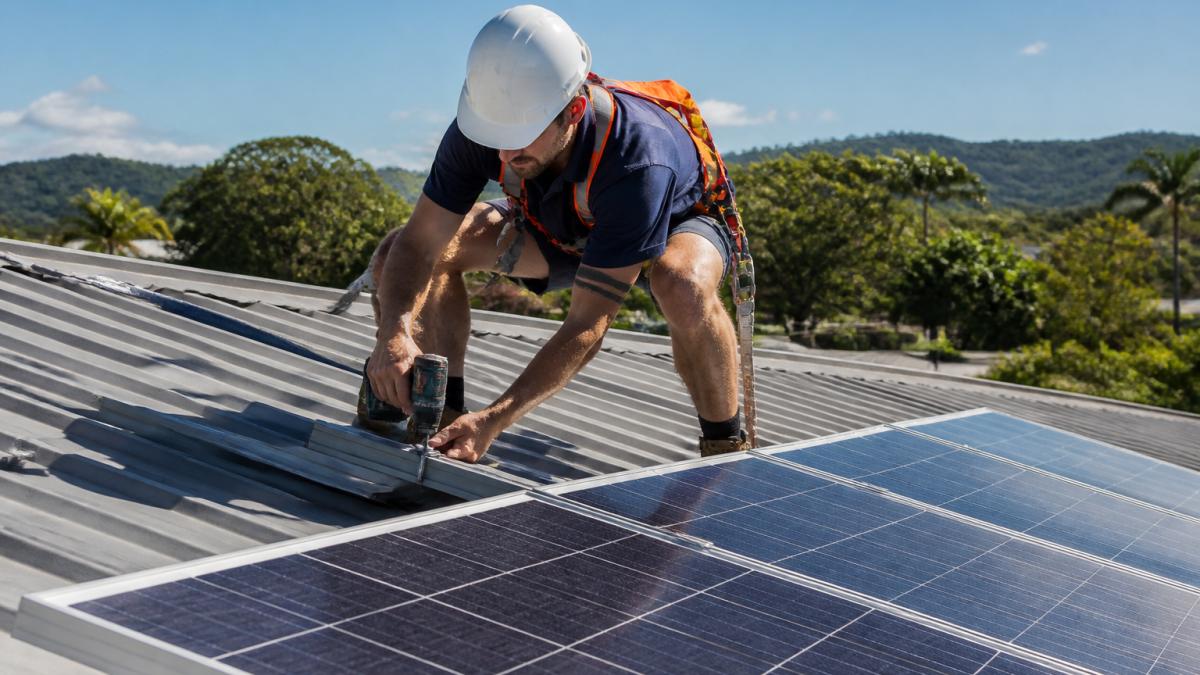
The installation itself typically takes one to three days depending on system size and roof complexity. Your installer should explain what happens during each phase. If they're vague about the process, ask for a detailed timeline.
After installation, your system should be tested and documented. You should receive a performance report showing expected output under standard conditions. Ask how your system performed during its first month, this baseline matters for spotting problems later.
Right-Sizing Your System to Your Energy Bills
This is where most oversizing happens. Your electricity bill tells you exactly how much energy you use. A properly sized system should offset that consumption, not exceed it.
Pull your last 12 months of energy bills. Look for:
- Total kilowatt-hours (kWh) consumed per month
- Seasonal variation (summer air conditioning, winter heating)
- Time-of-use rates if your plan charges different rates by time of day
A system sized to your actual consumption means you generate what you use. Oversizing creates problems: higher upfront cost, excess energy fed back to the grid at rates lower than you pay for it, and warranty complexity if your system is larger than the grid connection allows.
Gold Coast properties typically use more energy in summer (air conditioning) and less in winter. A well-sized system accounts for this. In summer, you'll generate surplus energy. In winter, you'll draw from the grid. That's normal and acceptable. The goal is annual energy balance, not month-to-month perfection.
Battery storage changes the equation. If you're adding batteries, your system can be sized to charge the battery during high-generation periods and use that stored energy during peak-rate hours or overnight. This requires different sizing logic than grid-only systems.
Ask your installer to show you the calculation. It should reference your actual bills, local solar irradiance data for the Gold Coast, and your roof's orientation and shading. If they're quoting system size without asking about your energy use, they're guessing.
Why Owner-Operated Installation Matters
When the person quoting your job is the person installing it, accountability is direct. There's no handoff, no miscommunication between sales and installation, no finger-pointing if something doesn't work as promised.
This model also means your installer has time to get it right. They're not racing between jobs or working under margin pressure. They can spend time understanding your specific situation, identifying potential issues before they become problems, and explaining your system so you understand how to use it.
After installation, owner-operated teams are more responsive. You call with a question and speak to someone who knows your system intimately. You don't navigate a support queue or wait for a technician who's unfamiliar with your installation. That matters when you need help troubleshooting, want to add battery storage later, or have concerns about performance.
The upfront cost of owner-operated installation is sometimes higher than call-center-driven quotes. But you're paying for expertise, accountability, and aftercare that actually exists. Systems installed by teams committed to their own reputation tend to be more carefully sized, more carefully installed, and more reliably supported.
Choosing the right gold coast solar power solutions provider comes down to three things: honest system sizing matched to your energy bills, genuine aftercare support, and direct accountability from the installer who quotes your job to the installer who does the work. Brux Electrical delivers all three. We're owner-operated, fully licensed and insured, and we back every installation with reliable local aftercare. Get a quote and see how transparent, straightforward solar installation works when you work with an installer who stands behind their work.
Frequently Asked Questions
How do I know a solar installer won't oversell me a system I don't need?
A trustworthy installer sizes your system to your actual energy bills, not to maximise their commission. Ask for a detailed breakdown showing how they calculated your requirements. Request an itemised quote that explains each component and its cost. If an installer recommends a system significantly larger than your current consumption suggests, ask them to justify the sizing. Owner-operated installers who handle their own work typically right-size systems because they stand behind the installation long-term.
What should a Gold Coast solar quote include?
A complete quote specifies the panel type and wattage, inverter model and capacity, battery storage (if applicable), mounting hardware, labour costs, timeline, warranty details, and any council or grid connection fees. It should itemise each component separately so you understand what you're paying for. A professional installer explains the quote in plain language without jargon. Avoid quotes that lump everything into one figure or lack detail about equipment specifications.
Are solar panels or solar tiles better for a residential roof?
Solar panels are more affordable, efficient, and easier to replace individually if damaged. Solar tiles blend into your roof aesthetically but cost significantly more and are harder to service. Panels suit most homes where appearance is secondary to performance and value. Tiles work for heritage properties or where roof aesthetics matter greatly. Your installer can assess your roof pitch, shading, and orientation to recommend which suits your home best.
How do I check a solar installer's credentials before hiring them?
Verify they hold a current electrical licence with the relevant Queensland authority and carry public liability and professional indemnity insurance. Ask for references from recent installations and contact those customers directly. Check independent review sites for feedback from previous clients. Ask whether the person quoting the job will actually perform the installation, or if subcontractors will be used. Licensed, insured, owner-operated installers typically have stronger accountability than larger companies with high staff turnover.
