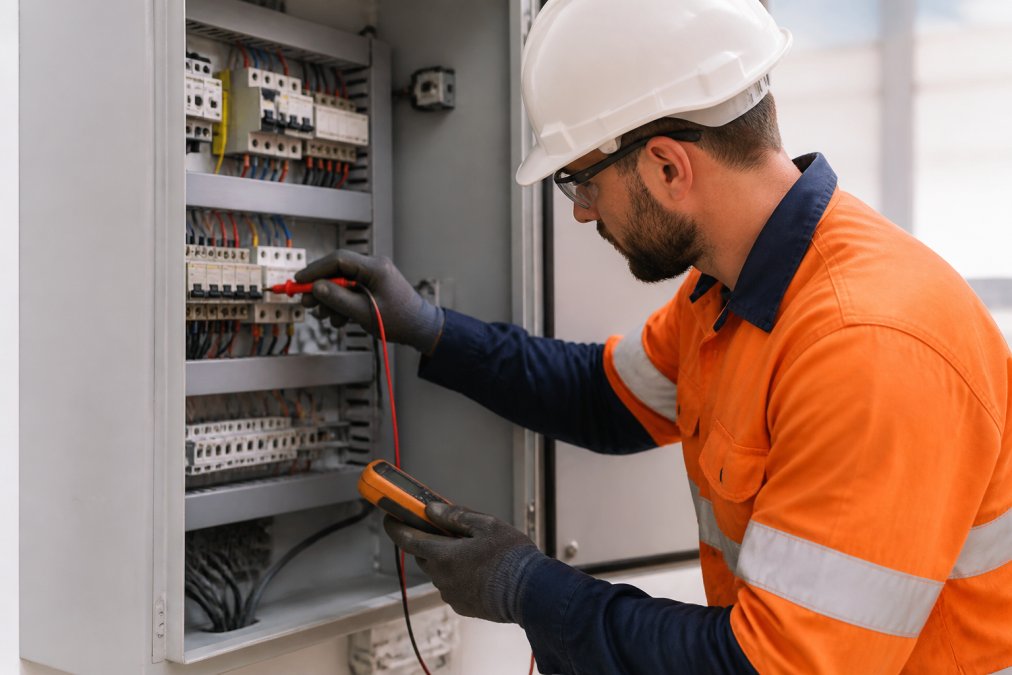
Electrical Maintenance for Businesses: A How-To Guide
Table of Contents
- Why Regular Electrical Maintenance Matters for Your Business
- Understanding Test and Tag Requirements for Businesses
- Creating an Electrical Safety Inspection Checklist for Your Workplace
- Scheduling Preventative Maintenance vs Reactive Repairs
- Private Power Pole Maintenance: What Business Owners Need to Know
- Common Mistakes to Avoid in Business Electrical Maintenance
- Getting Your Electrical Maintenance Plan in Place
- Frequently Asked Questions
Last Updated: August 31, 2026
Why Regular Electrical Maintenance Matters for Your Business
Neglecting electrical systems is one of the fastest ways to create liability, downtime, and safety risks that compound over time. Most business owners treat electrical maintenance as something to handle when a problem surfaces. That's backwards. The systems keeping your lights on, your equipment running, and your staff safe deteriorate silently until they fail, often at the worst possible moment.
Regular electrical maintenance prevents that spiral. It catches faults before they become emergencies, extends the lifespan of your infrastructure, and keeps you compliant with Australian safety standards. For businesses in Tugun and across the region, maintaining electrical systems isn't optional, it's a legal and operational necessity.
At Brux Electrical, we've seen firsthand what happens when businesses skip preventative checks. A faulty switchboard that could have been identified and repaired for a modest cost becomes a catastrophic failure that shuts down operations. A power pole showing early signs of deterioration gets ignored until it poses a genuine safety hazard. These aren't hypothetical scenarios, they're patterns we address regularly.
The real cost of poor electrical maintenance isn't just the repair bill. It's the lost productivity, the safety incidents, the regulatory scrutiny, and the liability exposure. Preventative maintenance flips that equation. Regular inspections, test and tag compliance, and scheduled maintenance create a predictable, manageable approach to keeping your electrical systems reliable.
Understanding Test and Tag Requirements for Businesses
Test and tag is a formal electrical safety process that identifies faulty or potentially dangerous portable electrical equipment before it causes injury or damage. In Australia, the standard governing this process is AS/NZS 3760, which sets out the requirements for in-service safety inspections and testing of electrical equipment (standards.org.au).
Your business is required to maintain portable electrical equipment in safe working order. That means conducting regular safety inspections and testing at intervals appropriate to how the equipment is used. A power tool used daily on a construction site needs testing more frequently than a desk fan in an office. The frequency depends on the equipment type, environment, and duty cycle.
Test and tag isn't just a compliance box to tick. It's a documented record that your business has taken reasonable steps to ensure employee safety and prevent electrical hazards. When an incident occurs, those records demonstrate due diligence. Without them, your business faces regulatory action and potential liability.
The process involves visual inspection for physical damage, then electrical testing using calibrated equipment to verify that the equipment is functioning safely. A label or tag is applied to document the test date and the next test due date. This creates an auditable trail showing that equipment has been tested and is safe to use.
Many businesses underestimate how frequently equipment needs testing. A common mistake is assuming annual testing is sufficient for all equipment. In reality, equipment in harsh environments, used frequently, or exposed to moisture may need testing every three months (peer-reviewed research). Equipment in controlled office environments might be tested annually. The key is understanding your specific equipment and usage patterns, then scheduling accordingly.
Creating an Electrical Safety Inspection Checklist for Your Workplace
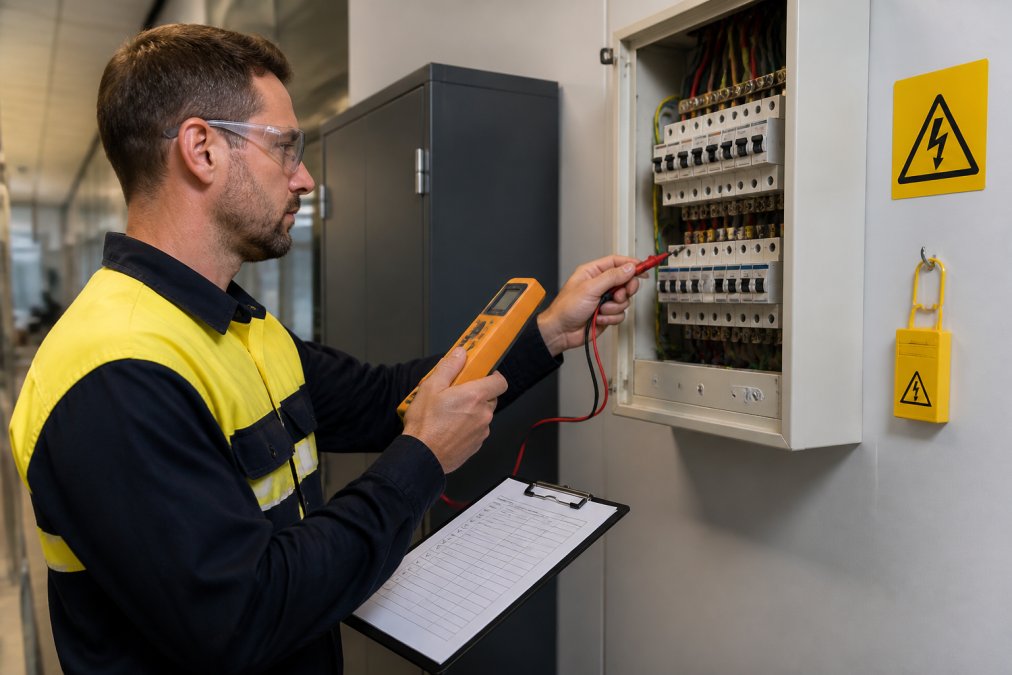
A structured electrical safety inspection checklist ensures that nothing gets missed and that inspections are consistent across your workplace. This checklist becomes your documented evidence that you're taking electrical safety seriously.
What to Check During a Visual Inspection
Start with visual inspection, the first line of defense against electrical hazards. Look for obvious signs of damage, wear, or deterioration that suggest equipment or infrastructure needs attention.
Check all power outlets and switches for cracks, scorch marks, or loose components. Damaged outlets are fire hazards and should be replaced immediately. Inspect visible wiring for cuts, abrasions, or signs of rodent damage. Look at extension cords and power boards for damage, overloading, or unsafe modifications. Many businesses run too many appliances through a single power board, creating fire risk.
Examine switchboards and distribution boards for corrosion, moisture ingress, or signs of overheating. Discoloration around circuit breakers or terminals indicates heat buildup and potential failure. Check that all equipment is properly grounded and that bonding is intact. Grounding is your protection against electrical shock, if it's compromised, the risk escalates significantly.
Look at lighting fixtures for loose components, damaged globes, or water ingress in outdoor or wet areas. Check that all electrical equipment is properly secured and not exposed to moisture, dust, or physical damage. In workshops or manufacturing environments, ensure that equipment guards are in place and that electrical systems are protected from the work environment.
Document everything. Take photographs of any issues you find. Note the location, the equipment or infrastructure involved, and the nature of the problem. This documentation becomes part of your maintenance record and guides your repair priorities.
Documentation and Record Keeping
Keep detailed records of every inspection, test, and maintenance action. Your records should show the date of the work, what was inspected or tested, any issues found, and what action was taken.
For test and tag records, keep the tags and documentation for the life of the equipment, plus a reasonable period afterward. This creates an auditable trail showing compliance with AS/NZS 3760. If a piece of equipment fails and causes an incident, your records demonstrate that you had tested it and found it safe at the time of the test.
Create a maintenance log for electrical infrastructure, switchboards, distribution boards, power poles, and fixed wiring. Record the date of inspection, the inspector's name and credentials, any issues identified, and the date repairs were completed. This log becomes invaluable when planning future maintenance and when responding to regulatory inquiries.
Store records in a location where they're easily accessible but protected from damage. Digital records are ideal, they're searchable, can't be lost to physical damage, and can be shared with your electrician or regulator if needed.
Scheduling Preventative Maintenance vs Reactive Repairs
The choice between preventative maintenance and reactive repairs isn't really a choice. Reactive repairs happen when something breaks, you're forced to respond, often at inconvenient times, often at premium cost. Preventative maintenance happens on your schedule, at lower cost, and with zero downtime.
Preventative maintenance for electrical systems typically includes annual switchboard inspections, regular testing of emergency lighting and safety systems, periodic checking of power poles and external infrastructure, and compliance with test and tag schedules for portable equipment. The exact frequency depends on your equipment, environment, and usage patterns.
A licensed electrician can help you establish a maintenance schedule tailored to your business. They'll assess your equipment, understand your operational demands, and recommend inspection intervals that keep you safe and compliant without unnecessary expense.
Reactive repairs are expensive. A faulty switchboard that could have been identified and serviced during a routine inspection might fail catastrophically, requiring emergency repair at after-hours rates. A power pole that deteriorates unnoticed might become a safety hazard requiring urgent stabilisation. These scenarios are far more costly than the preventative inspections that would have caught the problems early.
Schedule maintenance during low-activity periods so inspections and repairs don't disrupt operations. Communicate with your team about what to expect during maintenance windows. This keeps everyone safe and prevents confusion about why electrical systems are being worked on.
Private Power Pole Maintenance: What Business Owners Need to Know
If your property has a private power pole, you're responsible for its maintenance and safety. This is a common source of confusion for business owners in Tugun and the broader region, many assume the electricity distributor maintains all poles, but that's only true for poles they own.
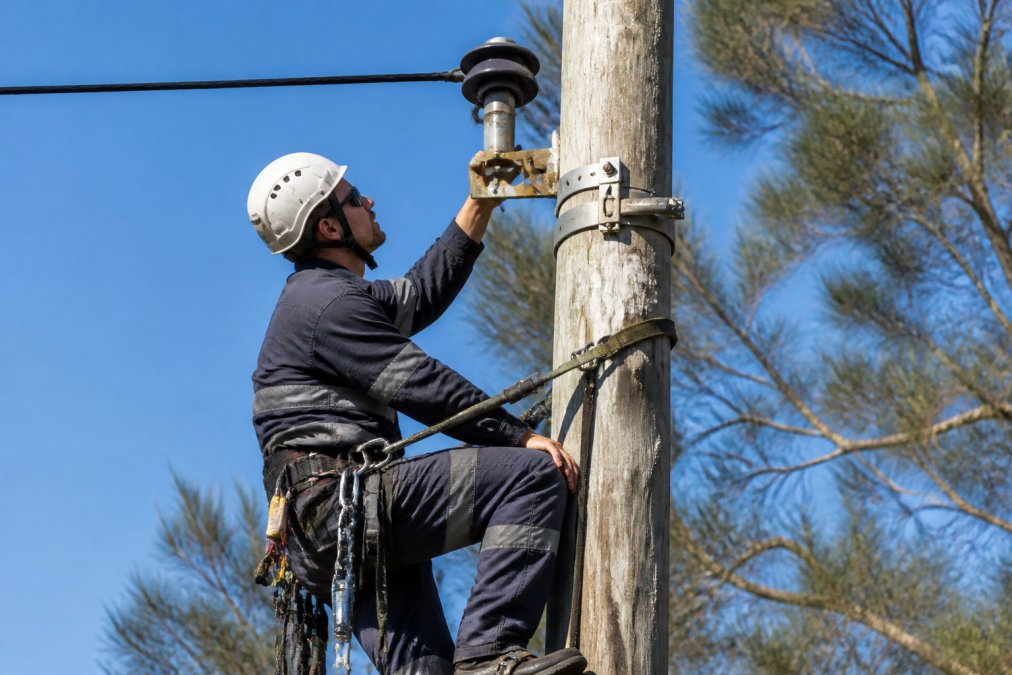
Private power poles deteriorate over time. Wood poles are susceptible to rot, particularly at ground level and in areas exposed to moisture. Metal poles can corrode. Bolts and hardware loosen. Insulators crack. These issues don't resolve themselves, they worsen, creating safety hazards and risking service interruption.
Regular inspection is essential. A licensed electrician should examine your power pole annually, looking for wood rot, corrosion, loose bolts, damaged insulators, and any signs of structural compromise. Early detection of these issues allows you to address them before they become dangerous.
If you receive a defect notice from your local council or the electricity distributor, take it seriously. A defect notice means the pole has been assessed and found to pose a safety risk. You're legally required to remedy the defect within the timeframe specified in the notice. Ignoring a defect notice exposes you to liability and potential enforcement action.
Repairs to private power poles must be carried out by licensed electricians. This isn't a DIY area. The work involves electrical hazards, structural considerations, and compliance with safety standards. Brux Electrical handles private power pole maintenance and upgrades for businesses across the region, including defect remediation and replacement when necessary.
The cost of maintaining a private power pole is far lower than the cost of emergency repair or replacement. Budget for annual inspections and address issues as they're identified. This keeps your infrastructure safe and your operations uninterrupted.
Common Mistakes to Avoid in Business Electrical Maintenance
One of the biggest mistakes is treating electrical maintenance as a cost to minimise rather than an investment in safety and reliability. Businesses that shop purely on price often end up with inadequate inspections, incomplete documentation, or work that doesn't meet standards. A cheaper inspection isn't a better deal if it misses critical issues.
Another common error is assuming that equipment tested or inspected once is safe indefinitely. Electrical systems change. Equipment deteriorates. Usage patterns shift. What was safe six months ago might not be safe now. Regular, scheduled testing and inspection is essential, not a one-time event.
Many businesses fail to maintain adequate records. Without documentation of inspections, tests, and maintenance, you can't demonstrate compliance if a regulator asks. You also can't track patterns or plan future maintenance effectively. Good record-keeping is foundational to responsible electrical maintenance.
Delaying repairs is another trap. When an inspection identifies a fault, addressing it promptly is always cheaper and safer than waiting. A faulty outlet that could be replaced in an hour becomes a fire hazard if left unrepaired. A switchboard issue that could be serviced during a scheduled maintenance window becomes an emergency if it fails unexpectedly.
Failing to involve qualified professionals is a serious mistake. Electrical work carries real hazards. Work that isn't done to standard creates liability. Always use licensed electricians for testing, inspection, and repair work. This ensures the work meets legal requirements and is done safely.
Getting Your Electrical Maintenance Plan in Place
Start by assessing what you have. Document all electrical equipment, switchboards, distribution boards, and infrastructure on your property. Note the age of equipment, its condition, and how heavily it's used. This inventory becomes the foundation for your maintenance plan.
Identify your test and tag requirements. List all portable electrical equipment that needs testing, then establish testing intervals based on equipment type and usage. Create a schedule and stick to it. This ensures compliance with AS/NZS 3760 and keeps equipment safe.
Schedule a professional electrical audit. A licensed electrician will inspect your fixed electrical infrastructure, identify any issues, and recommend maintenance intervals appropriate to your specific situation. This professional assessment is far more reliable than guessing.
Create a maintenance calendar. Mark inspection dates, test and tag due dates, and any other scheduled maintenance. Share this calendar with relevant staff so everyone understands what's happening and when. Assign responsibility for ensuring tasks are completed on schedule.
Document everything from day one. Create a maintenance log and record every inspection, test, repair, and maintenance action. Include the date, the work performed, who performed it, any issues found, and any corrective actions taken. This documentation is your evidence of due diligence.
For businesses in Tugun and surrounding areas, Brux Electrical can help you establish and maintain an electrical maintenance plan tailored to your specific needs. We provide test and tag services, electrical safety inspections, switchboard servicing, and private power pole maintenance. Our approach is straightforward: we quote clearly, we do the work ourselves without subcontractors, and we're available for aftercare when you need us. Get a quote to discuss your maintenance requirements.
Electrical maintenance isn't something to defer until a problem forces your hand. A structured approach to regular inspections, testing, and repairs keeps your systems safe, your operations reliable, and your business compliant with Australian safety standards. The investment in preventative maintenance is far smaller than the cost of emergency repairs, downtime, or safety incidents. If you're operating a business in Tugun or the broader region and your electrical maintenance plan needs attention, Brux Electrical provides comprehensive testing, inspection, and maintenance services with the direct communication and reliable workmanship you deserve.
Frequently Asked Questions
How often should a business have an electrical safety inspection?
Most businesses should have a comprehensive electrical safety inspection annually, though high-risk environments may need more frequent checks. Test and tag requirements for portable electrical equipment typically occur every 12 months for general office use, but this can vary based on your equipment type and industry. A licensed electrician can assess your specific situation and recommend an inspection schedule that keeps your business compliant and safe.
Are businesses legally required to test and tag electrical equipment?
Yes, Queensland workplaces must comply with electrical safety regulations. Test and tag requirements ensure portable electrical equipment remains safe for use. The frequency depends on your equipment's risk level and usage environment. Employers are responsible for maintaining safe electrical systems and ensuring all equipment is regularly tested by a qualified person. Failure to comply can result in penalties and safety risks.
What's the difference between preventative and reactive electrical maintenance?
Preventative maintenance involves scheduled inspections and servicing to catch problems before they cause failures, reducing downtime and extending equipment life. Reactive maintenance means fixing problems only after equipment breaks down, which is costlier and can disrupt operations. For businesses, preventative maintenance saves money by avoiding emergency call-outs and system failures. Regular inspections identify worn components, loose connections, and safety hazards early.
How do I know if my private power pole needs maintenance?
Inspect your power pole regularly for visible damage: rotting wood, cracks, leaning, rust on metal components, or damaged wiring. If you've received a defect notice from the council or notice physical deterioration, contact a licensed electrician immediately. Power poles that are old, in wet environments, or showing signs of pest damage need professional assessment. Regular maintenance prevents safety hazards and potential supply disruptions to your business.
This article was written using GrandRanker
