Is Commercial LED Lighting Worth It for Businesses?
Table of Contents
- The Case for Commercial LED Lighting Upgrades
- Business LED Lighting Energy Savings: What You Can Actually Expect
- Commercial LED Lighting Upgrade Cost Australia: Breaking Down Your Investment
- Understanding Commercial LED Lighting Payback Period
- LED Lighting Upgrade Checklist for Businesses
- Key Factors That Affect Your Upgrade Decision
- Is the Upgrade Right for Your Business?
- Frequently Asked Questions
Last Updated: October 10, 2026
The Case for Commercial LED Lighting Upgrades
A commercial LED lighting upgrade is one of the smartest investments a business can make. The shift from traditional fluorescent or incandescent systems to LED technology delivers real benefits that show up on your power bill and your bottom line.
The case is straightforward. LED lights use significantly less energy than older lighting systems. They last much longer, which means fewer replacements and less maintenance downtime. For businesses in Tugun and across the Gold Coast, this translates to lower operating costs and reduced environmental impact.
But the real question isn't whether LED lighting is better, it's whether the upgrade makes financial sense for YOUR business right now. That depends on your current setup, how much you use your lights, and what you're willing to invest upfront.
At Brux Electrical, we help businesses understand whether a commercial LED lighting upgrade is worth the investment. We've worked with dozens of Gold Coast companies to assess their lighting systems and calculate actual payback periods based on their specific usage patterns.
The short answer: for most businesses, a commercial LED lighting upgrade pays for itself within a reasonable timeframe. But let's break down what that actually means in practice.
Business LED Lighting Energy Savings: What You Can Actually Expect
LED lights consume far less electricity than traditional lighting. A typical LED bulb uses about 75% less energy than an equivalent incandescent bulb. Fluorescent systems also fall behind LED technology when it comes to efficiency.
The energy savings depend on several factors:
- How many hours per day your lights run
- The size of your space and number of fixtures
- Your current lighting type (incandescent, fluorescent, or halogen)
- Whether you upgrade all fixtures or phase them in gradually
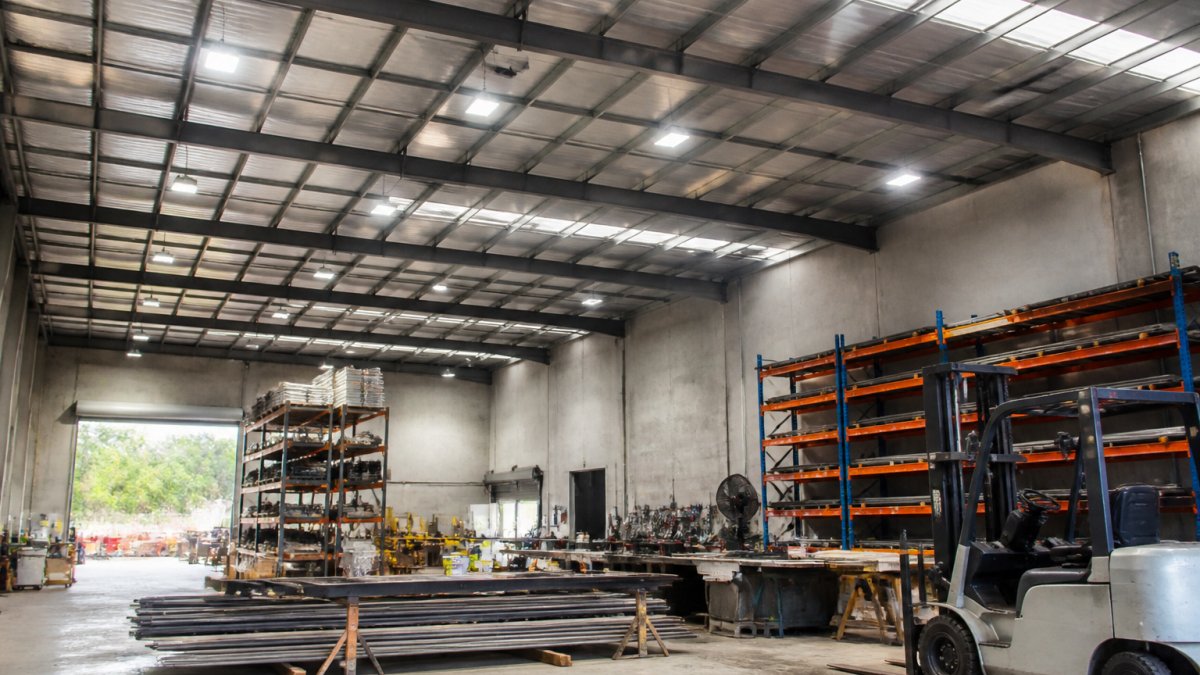
For a business running lights 12 hours daily across a large warehouse or office, the annual energy reduction can be substantial. Smaller businesses with fewer fixtures and shorter operating hours see lower absolute savings, but the percentage reduction remains significant.
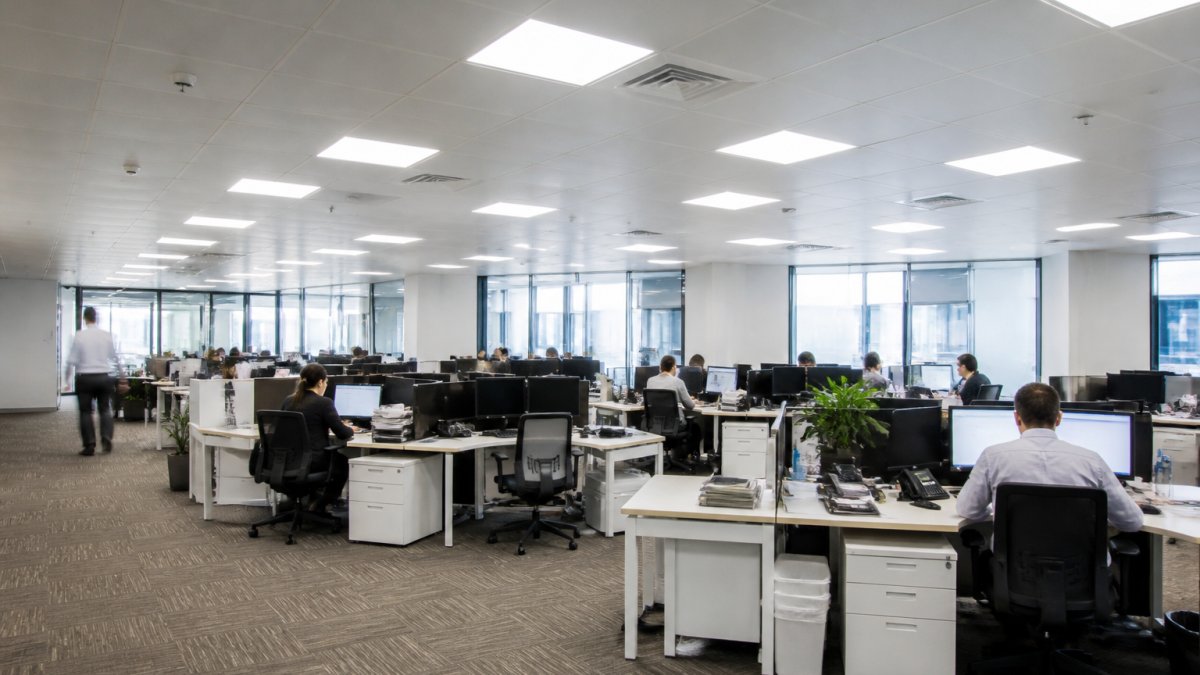
The real savings come from two sources. First, LEDs draw less power per fixture. Second, they produce less wasted heat, which can reduce cooling costs in warm climates like the Gold Coast.
Many businesses also find they can reduce the number of fixtures needed. LED lights distribute light more efficiently, so you may achieve the same brightness with fewer bulbs. This compounds your savings.
One thing to understand: energy savings alone don't tell the whole story. You also gain durability and maintenance benefits. Traditional bulbs fail regularly and require replacement labor. LED bulbs last 15-25 years in typical commercial use. That means fewer service calls, less disruption to your operations, and lower replacement costs.
Commercial LED Lighting Upgrade Cost Australia: Breaking Down Your Investment
The upfront cost of a commercial LED lighting upgrade varies widely. It depends on the size of your space, the number of fixtures, and the quality of the LED systems you choose.
Factors that affect your total investment:
- Number of fixtures in your facility
- Type of LED system (basic retrofit versus integrated smart lighting)
- Installation complexity (simple bulb replacements versus rewiring)
- Ballast and fixture compatibility with your existing electrical setup
- Any additional features like motion sensors or dimming controls
For a realistic quote tailored to your facility, contact Brux Electrical. We provide clear, itemized quotes that break down exactly what you're paying for. No hidden costs, no pressure to buy systems larger than you need.
The investment typically includes:
- LED bulbs or fixtures
- Installation labour
- Disposal of old lighting systems
- Any electrical upgrades required
Many businesses spread the upgrade across multiple phases rather than replacing everything at once. This reduces the immediate cash outlay and lets you test the benefits before committing to a full retrofit.
Some businesses also qualify for rebates or incentive programs. Check with your local council or energy provider for current programs available in Tugun and across Queensland. These can offset a portion of your upgrade costs.
Understanding Commercial LED Lighting Payback Period
The payback period is the time it takes for your energy savings to equal your initial investment. This is the number most businesses care about most.
A typical commercial LED lighting upgrade payback period ranges from 2 to 7 years, depending on your specific circumstances. Businesses with high operating hours and high electricity rates see faster payback. Smaller operations with lower usage may take longer.
Here's how to think about it:
| Factor | Impact on Payback |
|---|---|
| High daily usage (12+ hours) | Faster payback (2-3 years) |
| Moderate usage (8-12 hours) | Medium payback (3-5 years) |
| Low usage (under 8 hours) | Slower payback (5-7 years) |
| High electricity rates | Faster payback |
| Low electricity rates | Slower payback |
| Large facility (many fixtures) | Faster payback |
| Small facility (few fixtures) | Slower payback |
Beyond the payback period, LED lighting continues to save money for another 15-20 years. Once your initial investment is recovered, those savings are pure benefit.
Many business owners overlook the non-financial payback. Better lighting improves employee productivity and customer experience. Brighter, more consistent light reduces eye strain and creates a more professional environment. These benefits don't show up in energy bills, but they matter.
LED Lighting Upgrade Checklist for Businesses
Before you commit to a commercial LED lighting upgrade, work through this checklist to ensure you're making the right decision for your business.
Assessment Phase:
- Document your current lighting type and fixture count
- Check your electricity bills for the past 12 months
- Calculate your average monthly energy consumption
- Identify areas where lighting is inadequate or excessive
- Note any fixtures that fail frequently
Planning Phase:
- Decide whether to upgrade all fixtures or phase in gradually
- Consider whether you want smart controls or motion sensors
- Check if your electrical panel can handle the upgrade
- Research available rebates and incentive programs
- Get quotes from multiple qualified installers
Financial Phase:
- Calculate your estimated annual energy savings
- Determine the total upgrade cost
- Calculate your payback period
- Compare payback period to your business timeline
- Explore financing or payment plan options
Implementation Phase:
- Schedule the upgrade during low-traffic periods
- Arrange for proper disposal of old lighting systems
- Plan for any temporary lighting adjustments
- Verify that all work meets electrical standards
- Test all systems before final sign-off
Post-Upgrade Phase:
- Monitor your electricity bills for the first 3 months
- Compare actual savings to projections
- Document any maintenance needs
- Set a schedule for future maintenance checks
Key Factors That Affect Your Upgrade Decision
Several practical considerations determine whether a commercial LED lighting upgrade makes sense for your business right now.
Your current lighting system matters. If you're running old incandescent or halogen fixtures, the energy savings from LED are dramatic. If you already have modern fluorescent systems, the improvement is smaller but still worthwhile. The older your current system, the faster your payback.
Operating hours drive the numbers. A retail shop open 60 hours per week benefits differently than a 24-hour warehouse or a small office open 40 hours per week. More hours of operation mean faster payback and higher absolute savings.
Your electricity rate affects the math. Businesses paying higher rates per kilowatt-hour see faster payback periods. Check your current rate on your electricity bill and factor it into your calculations.
Space size and fixture count determine total investment. A small office with 20 fixtures has a lower total cost than a large warehouse with 200 fixtures. However, larger facilities often see faster payback because the total energy savings are higher.
Your timeline and cash flow situation matter. If you need to minimize upfront costs, phased upgrades work well. If you have capital available, a full upgrade captures benefits faster.
Maintenance costs and downtime are often overlooked. Traditional bulbs fail regularly and require replacement labor. LED upgrades reduce this burden significantly, freeing up time and resources for other priorities.
According to the Australian Government's energy efficiency guidance, commercial lighting upgrades rank among the highest-return energy efficiency investments available to businesses.
Is the Upgrade Right for Your Business?
A commercial LED lighting upgrade is worth it if your payback period aligns with your business goals. Here's how to decide:
The upgrade is a strong fit if:
- Your payback period is under 5 years
- Your business plans to occupy the space for at least 5 more years
- You have adequate cash flow or access to financing
- Your current lighting is outdated or fails frequently
- You value improved lighting quality and employee experience
The upgrade is worth considering if:
- Your payback period is 5-7 years
- You can phase the upgrade gradually to spread costs
- You qualify for rebates or incentive programs
- You want to improve your business's environmental profile
The upgrade may not be urgent if:
- Your payback period exceeds 7 years
- You're planning to relocate within the next few years
- Your current lighting system is relatively new
- You have limited capital available
The best approach is to get a professional assessment. At Brux Electrical, we evaluate your specific facility, calculate realistic savings based on your usage, and provide a clear payback timeline. We work with businesses across Tugun and the Gold Coast to help them make informed decisions about their lighting upgrades.
Research from the International Energy Agency shows that LED adoption in commercial buildings continues to accelerate as the technology matures and costs decline. This trend makes it an ideal time for businesses to evaluate their options.
The key is understanding your numbers. Don't rely on generic estimates or sales pitches. Get a detailed quote that shows your specific investment, your expected savings, and your payback period. That's the only way to know whether a commercial LED lighting upgrade is truly worth it for your business.
A commercial LED lighting upgrade typically delivers real cost savings and operational benefits for most businesses. The decision comes down to your payback period, your timeline, and your cash flow situation. At Brux Electrical, we provide clear, itemized quotes that show exactly what you'll invest and what you'll save. We handle the installation directly, no subcontractors, no surprises, so you get professional-quality work and reliable local aftercare. Get a quote from Brux Electrical and find out whether an LED upgrade makes sense for your business.
Frequently Asked Questions
How much can a business save by switching to commercial LED lighting?
Energy savings depend on your current lighting type, usage hours, and facility size. Businesses can see significant reductions in lighting costs when upgrading from older fluorescent or incandescent systems to LED. A business running lights 10+ hours daily across a large space will see substantially higher savings than one with minimal lighting use. The actual dollar amount depends on your current electricity rates and consumption patterns.
What is the typical payback period for a commercial LED lighting upgrade?
Payback periods depend on your current lighting system, energy costs, and upgrade scope. High-usage facilities with long operating hours often see faster payback. Federal and state rebates or incentive schemes can shorten this period significantly. Calculating your specific payback requires comparing your current annual lighting costs against the LED system cost and expected savings.
What factors affect the cost of upgrading to LED lighting in Australia?
Costs vary based on facility size, number of fixtures, current wiring condition, fixture types needed (downlights, panels, high-bay), and installation complexity. Labour costs differ by region. Choosing quality, long-lasting LED products costs more upfront but reduces replacement and maintenance expenses over time. Getting a detailed quote from a local licensed electrician accounts for your specific building layout and requirements.
Should a business replace all its lights at once or phase in an LED upgrade?
Phased upgrades allow you to spread costs and test performance in different areas first. However, replacing all fixtures at once may qualify for larger rebates or incentives and reduces installation disruption. The best approach depends on your cash flow, facility size, and how critical uninterrupted lighting is to operations. A licensed electrician can advise on the most practical schedule for your business.
