Book an Electrical Inspection: Complete 2026 Guide
Table of Contents
- What Is a Home Electrical Inspection?
- Signs You Need an Electrical Inspection Now
- Pre-Purchase Electrical Inspection Checklist
- How Long Does an Electrical Inspection Take?
- Electrical Safety Certificate Cost: What Affects the Price
- Legal Requirements for Landlords and Tenants
- How to Book an Electrical Inspection: Step-by-Step
- Conclusion
Last Updated: August 16, 2026
What Is a Home Electrical Inspection?
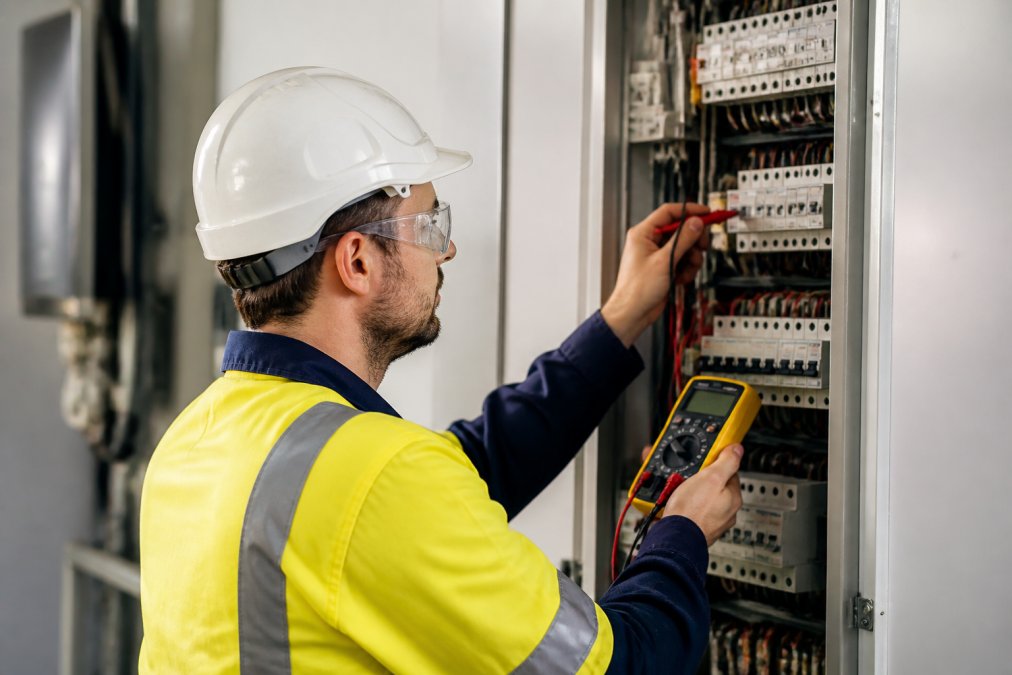
A home electrical inspection is a thorough assessment of your property's electrical installation by a licensed electrician to identify faults, safety hazards, and compliance issues. The inspection covers your switchboard, wiring, power points, safety switches, earthing system, and circuit protection devices.
An electrical inspection is a structured, documented risk assessment, not routine maintenance. It results in a written report detailing findings across each area, indicating whether defects require urgent attention or can be scheduled into planned maintenance. For rental properties and pre-purchase scenarios, this documentation carries legal and financial weight.
The inspection process draws on AS/NZS 3000 Wiring Rules, the Australian standard for electrical installations, which defines acceptable standards for residential electrical installation across Australia. A qualified technician will cross-reference your system against these requirements and flag any areas that fall short.
Signs You Need an Electrical Inspection Now
Most homeowners wait until something stops working before calling an electrician. Electrical faults rarely announce themselves clearly, they show up as small symptoms that build over time.
Switchboard and Safety Switch Warning Signs
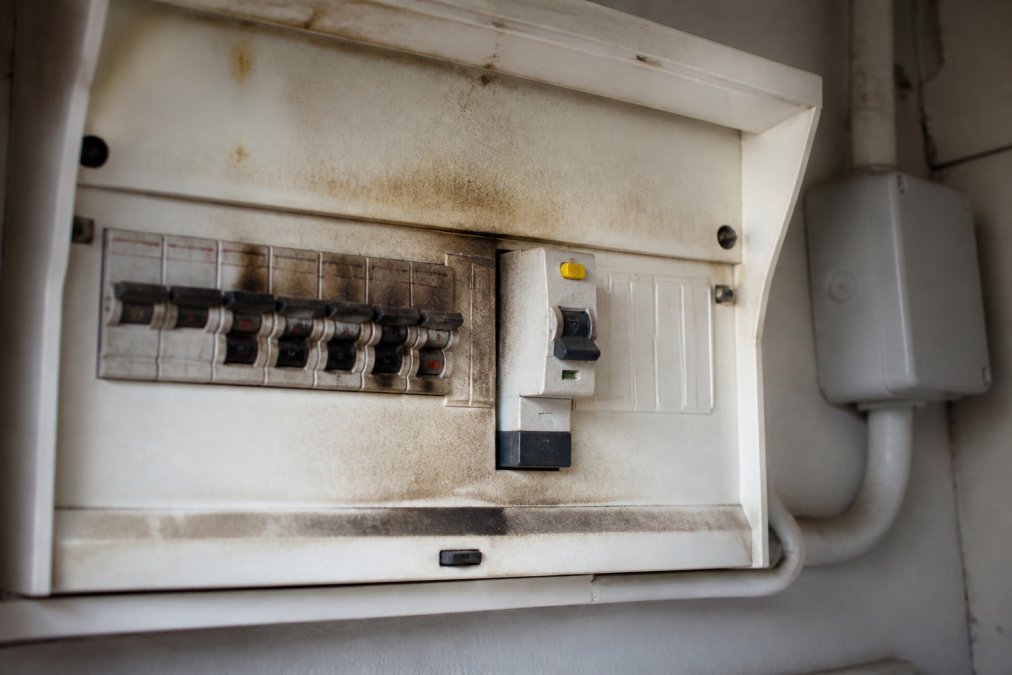
Your switchboard is the control centre of your home's electrical system. Warning signs include:
- Circuit breakers that trip repeatedly without an obvious cause
- A switchboard using ceramic fuses rather than modern circuit breakers
- No safety switches installed, or safety switches that fail to trip during a manual test
- Visible scorching, discolouration, or a burning smell near the board
- A switchboard that feels warm to the touch
Older properties built before the late 1990s may not have residual current devices installed. According to Energy Safe Victoria's guidance on electrical safety, safety switches that cut power within milliseconds of detecting a fault are among the most effective protections against electrocution.
Wiring and Power Point Red Flags
- Power points that spark when you plug something in
- Flickering or dimming lights not explained by the appliance
- Outlets that feel warm or show discolouration around the face plate
- A persistent burning smell with no identifiable source
- Circuits that regularly blow fuses or trip breakers under normal load
Homes built before the 1980s may contain wiring types that do not meet current electrical code requirements. Insulation on older wiring degrades over time, increasing the risk of arcing and fire.
Pre-Purchase Electrical Inspection Checklist
A pre-purchase electrical inspection is one of the most overlooked steps in a property transaction. An ageing or non-compliant electrical installation can cost significantly more to rectify than most structural defects.
| Inspection Area | What the Electrician Checks | Why It Matters |
|---|---|---|
| Switchboard | Age, condition, fuse type, RCD presence | Upgrade cost can be substantial |
| Wiring type and age | Insulation condition, wiring material | Old wiring may need full replacement |
| Power points | Earthing, polarity, condition | Non-earthed points are a shock risk |
| Safety switches | Presence and correct operation | Legal requirement in most states |
| Earthing system | Continuity and compliance | Core protection against fault current |
| Smoke alarm compliance | Placement, interconnection, type | Mandatory under Queensland legislation |
| Outdoor and wet area circuits | Weatherproofing, RCD protection | Pools, garages, and laundries carry higher risk |
| Electrical load capacity | Whether the system can handle modern demand | Undersized systems cause nuisance tripping |
The inspection report tells you not just what is wrong today, but what is likely to fail within the next few years. A switchboard upgrade, rewiring project, or surge protection installation that a seller has deferred becomes your problem at settlement. Get the numbers before you sign.
How Long Does an Electrical Inspection Take?
For a standard three-bedroom home, most inspections take between one and two hours. Larger properties, older homes with complex wiring, or inspections that include testing and tagging of appliances will take longer.
A basic residential audit covering the switchboard, safety switches, power points, and visible wiring typically sits at the lower end of that range. A comprehensive inspection that includes insulation resistance testing, earthing system checks, voltage testing, and fault finding will take closer to two to three hours.
Plan for the electrician to need access to all areas of the property, including the roof space, subfloor, garage, and any outbuildings.
Electrical Safety Certificate Cost: What Affects the Price
Understanding what drives the cost of an electrical inspection helps you evaluate quotes accurately and avoid paying for scope you do not need.
The Core Variables That Move the Price
1. Property size and age
Size is the most straightforward driver: more circuits, more power points, and more wiring to assess means more time on site. Age matters because older properties require more investigative work. A home built in the 1960s or 1970s may have wiring types that require insulation resistance testing to assess serviceability.
2. Scope of the inspection
A basic safety audit, switchboard check, safety switch test, visual inspection of power points and visible wiring, is the fastest and least expensive option. A comprehensive inspection that includes insulation resistance testing across all circuits, earthing continuity and resistance verification, voltage and polarity testing at each outlet, and thermal imaging of the switchboard will take significantly longer and cost more. For pre-purchase inspections and landlord compliance checks, the comprehensive scope is appropriate.
3. Switchboard condition and remediation
If the inspection reveals that the switchboard requires work before a compliance certificate can be issued, that remediation work is quoted and priced separately from the inspection itself.
4. Access complexity
Properties with difficult roof spaces, restricted subfloor access, split-level layouts, or multiple outbuildings take longer to inspect.
5. Report type and documentation
A formal written report suitable for a property settlement or QCAT proceeding requires more time to prepare than a verbal walkthrough.
What to Look for in a Quote
When comparing quotes, ask each provider to confirm in writing:
- Whether insulation resistance testing is included or excluded
- Whether earthing verification is included
- Whether a written report is included or charged separately
- Whether safety switch testing covers all circuits or only the main board
- Whether the quote covers outbuildings, garages, and pool equipment
A quote that excludes insulation resistance testing and earthing checks is not a complete inspection. These tests identify the faults most likely to cause a fire or electrocution.
Getting an Accurate Quote
Any fixed price published without knowing your property is either a starting point or a scope-limited offer. Provide the electrician with the property address, approximate age, number of bedrooms, and any known issues before requesting a quote.
Legal Requirements for Landlords and Tenants
Electrical safety obligations for residential rental properties in Queensland are set out under the Residential Tenancies and Rooming Accommodation Act 2008 (Qld), which requires landlords to provide and maintain premises in a condition that is safe and fit for habitation.
What Landlords Are Legally Required to Provide
Under Queensland law, landlords must ensure:
- Safety switches (RCDs) on all power and lighting circuits. The Electrical Safety Regulation 2013 (Qld) mandates that residual current devices be installed on all circuits in domestic premises.
- Compliant smoke alarms. Since 1 January 2022, all rental properties in Queensland must have interconnected photoelectric smoke alarms installed in each bedroom, in hallways connecting bedrooms to the rest of the dwelling, and on each storey.
- Electrical installations in safe working order. Any defect that creates a risk of electric shock, fire, or injury must be rectified. Urgent electrical hazards require attention within 24 to 48 hours of being reported.
- Licensed electrical work only. All electrical work must be performed by a licensed electrical contractor.
Tenant Rights and Reporting Obligations
Tenants have the right to request a copy of any electrical inspection report relating to the property. If a landlord fails to act on a documented electrical hazard within a reasonable timeframe, tenants can issue a Form 11 Notice to Remedy Breach, apply to QCAT for an order, or contact the Electrical Safety Office directly on 1300 650 662.
Tenants should document all electrical faults in writing, text messages and emails are admissible in QCAT proceedings.
What Landlords Risk by Not Complying
Under the Work Health and Safety Act 2011 (Qld), a landlord whose property is used for any commercial purpose may be classified as a person conducting a business or undertaking (PCBU) and held to a higher duty of care. If a tenant or visitor suffers injury or property loss due to an electrical fault the landlord knew about and failed to address, the landlord's insurer may deny the claim.
Practical Compliance for Property Managers
A documented electrical inspection schedule is the most defensible approach. Most practitioners recommend a periodic electrical safety inspection every two to five years, with the interval shortening for older properties.
Body corporate properties carry additional obligations under the Body Corporate and Community Management Act 1997 (Qld). Common area electrical installations, emergency lighting, and shared infrastructure fall under the body corporate's maintenance responsibilities.
How to Book an Electrical Inspection: Step-by-Step

Step 1: Identify your inspection type. Decide whether you need a pre-purchase inspection, a routine safety audit, a landlord compliance check, or a fault-finding visit.
Step 2: Contact a licensed electrician. Confirm the electrician holds a current electrical contractor's licence issued by the Electrical Safety Office (ESO), Queensland's electrical regulator. Unlicensed electrical work is illegal in Queensland and voids your insurance.
Step 3: Request an itemised quote. Ask for a written scope of works and quote specifying what is included, what testing will be performed, and what documentation you will receive.
Step 4: Confirm property access. Ensure the electrician can access all areas of the property, including the switchboard, roof space, subfloor, and any outbuildings.
Step 5: Be present for the inspection. Where possible, be on site during the inspection. A good electrician will walk you through their findings in plain language.
Step 6: Review the report and act on findings. The written report will categorise findings by urgency. Attend to any items flagged as immediate risks first.
Step 7: File the documentation. Keep the inspection report and any compliance certificates. For rental properties, this documentation supports your legal obligations.
The whole process from first contact to completed report typically takes less than a week for a standard residential property.
Electrical faults rarely give you a second warning. If your property has not had a professional electrical inspection in the last few years, or if you are buying a property without one, the risk you are carrying is real. Brux Electrical is a fully licensed, owner-operated team with no subcontractors. The same person who provides your itemised quote carries out the inspection, so you get direct communication and consistent workmanship from start to finish. Get a quote and know exactly what your electrical installation looks like before something forces the issue.
Frequently Asked Questions
How much does an electrical safety certificate cost?
The cost of an electrical safety certificate depends on the size and age of the property, the scope of work completed, and any faults identified during the inspection. A straightforward certificate for a small home costs less than one requiring fault finding or remedial work on an older property. For an accurate figure, request an itemised quote from a licensed electrician who can assess your specific installation before committing to a price.
Do I need an electrical safety certificate for a rental property?
Under Queensland's Electrical Safety Act 2002, landlords have a duty to ensure rental properties are electrically safe. While a formal certificate is not always mandatory at every tenancy change, landlords must ensure safety switches are installed and functional, and that the property meets current electrical safety standards. Failing to maintain compliance can expose landlords to significant liability. A licensed electrician can confirm what documentation your specific property requires.
Is a pre-purchase electrical inspection mandatory when buying a home?
A pre-purchase electrical inspection is not legally required in Queensland, but it is strongly recommended before property settlement. Standard building inspections rarely cover the full electrical installation in detail. A dedicated electrical inspection checks wiring integrity, the switchboard, earthing, RCDs, and power points, giving you a clear picture of the electrical risk before you sign. Faults found after purchase become your responsibility and your cost.
What happens if an electrical inspection identifies a fault?
If a fault is found during an electrical inspection, your electrician will document it and explain the risk level. Minor issues like a faulty power point can often be rectified on the same visit. More significant problems, such as outdated wiring or a switchboard that needs upgrading, will be quoted separately. No remedial work should be carried out without your approval. A compliant electrical safety certificate is only issued once any required rectification work is complete.
This article was written using GrandRanker
