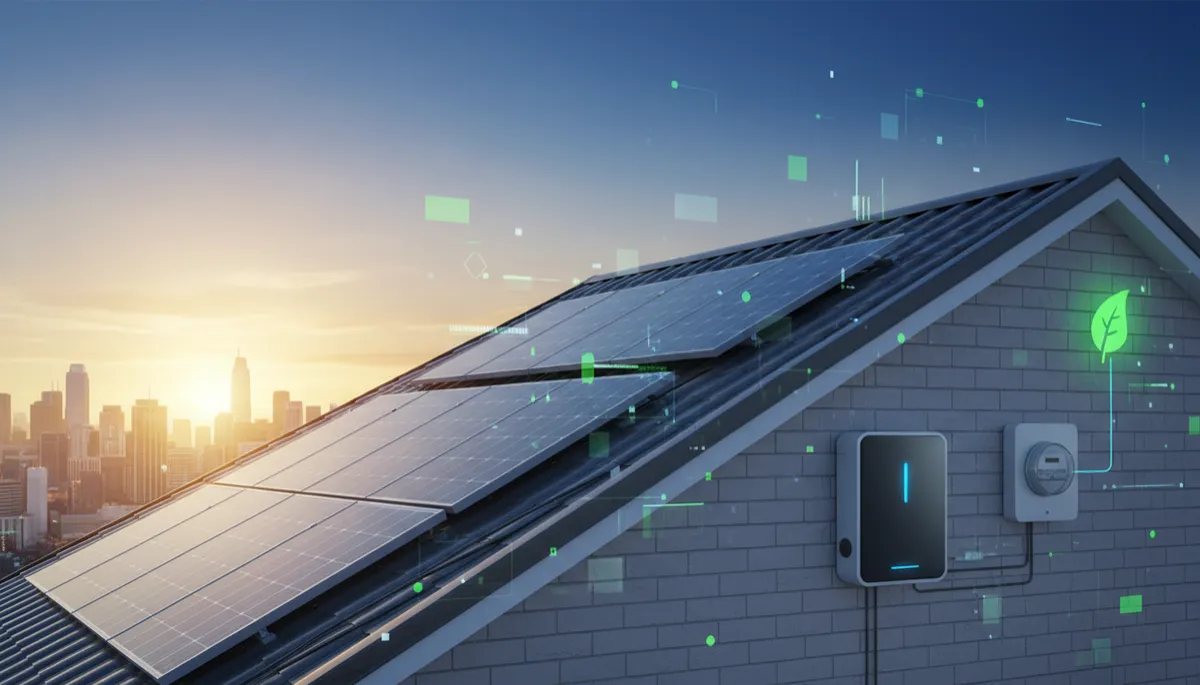
Maximise Energy Savings with 2026 Battery Rebates
Australian Government Rebates, Battery Rebates, Renewable Energy Rebates
Australian Government Battery Rebates (BSTCs): How to Maximise Your Energy Savings in 2026
With Australian Government Rebates at record levels for home batteries and solar, 2026 is a pivotal year to cut your power bills, boost energy independence, and take advantage of generous Renewable Energy Rebates before they step down further.
What Are Today’s Australian Government Rebates for Batteries?
The headline federal support for home storage in 2026 is the Cheaper Home Batteries Program (CHBP), delivered through the long‑running Small‑scale Renewable Energy Scheme. In everyday language, many people refer to these as Battery Rebates, Renewable Energy Rebates or even “BSTCs” – battery‑related Small‑scale Technology Certificates. Whatever you call them, they translate into a substantial point‑of‑sale discount on eligible battery systems installed by accredited professionals.
Under the current rules, from 1 May 2026 the federal rebate is based on a factor of 6.8 STCs per usable kWh of storage capacity, with the value per certificate depending on your STC zone. In typical Zone 3 locations, that equates to roughly about $252 per kWh for the first 14 kWh of a home battery [WhySolar]. In practice, this often delivers around 30% off the upfront cost of a compliant system [DCCEEW].
How the Tiered BSTC / STC Structure Works for Batteries
To make sure support is focused on typical homes rather than very large installations, the CHBP uses a tiered structure for these battery‑linked STCs (or BSTCs):
0–14 kWh usable: 100% of the current STC factor – this is where the strongest Incentives For Batteries apply and where most households see the best value.
14–28 kWh: 60% of the STC factor – still worthwhile for larger homes but a lower rebate per kWh.
28–50 kWh: 15% of the STC factor – mainly relevant for small commercial or very large residential systems.
Above 50 kWh: no STC rebate, though batteries can still be installed if they meet safety and compliance rules.
For many homes, aiming for a battery around or below 14 kWh maximises Energy Efficiency Incentives and keeps your payback period attractive. A trusted installer like Brux Electrical can help you size your system so you receive the full benefit of the current Rebate Programs Australia offers, without overspending on unnecessary capacity.
Why Timing Matters: Step‑downs in Battery Rebates and STCs
Both solar and battery Australian Government Rebates decrease over time. The STC factor for batteries already dropped from 8.4 to 6.8 in May 2026 and is scheduled to decline further every six months through to 2030 [DCCEEW]. The same principle applies to solar PV under the Small‑scale Renewable Energy Scheme, where the deeming period is now just five years and reduces annually [Expert‑Zoom].
In other words, the Current Battery Deals and Renewable Energy Rebates you can access today are almost certainly more generous than what will be available in a year or two. Acting now locks in higher BSTC values and accelerates your Energy Savings from day one, instead of watching rebate levels erode while power prices continue to rise.
💡 Pro Tip: Installation date is what counts. Booking early with an accredited installer ensures you qualify for the STC rate in place on the day your system is commissioned.
State‑Based Renewable Energy Incentives You Can Stack
While the CHBP is the main national scheme, some states and territories add their own Energy Efficiency Incentives on top of federal support. These extra Rebate Programs Australia offers can significantly improve the economics of a solar‑plus‑battery installation:
New South Wales (NSW): The Peak Demand Reduction Scheme provides around $720–$1,500 when you connect your battery to an approved Virtual Power Plant (VPP), and income‑tested interest‑free loans up to $15,000 are available for eligible households [EnergyPlans]. A further $4,000 subsidy for low‑income customers is expected later in 2026.
Western Australia (WA): In addition to the federal CHBP, WA residents may receive up to $5,000 (Synergy) or $7,500 (Horizon Power) towards batteries, plus access to interest‑free loans [AussieSmart].
ACT: The Sustainable Household Scheme offers interest‑free loans up to $15,000 that can be used alongside federal Battery Rebates[SolarIncentives].
Other states such as Victoria, Queensland, South Australia, Tasmania and the Northern Territory no longer offer dedicated battery subsidies as at mid‑2026, but residents can still access strong federal Incentives For Batteries and solar PV systems.
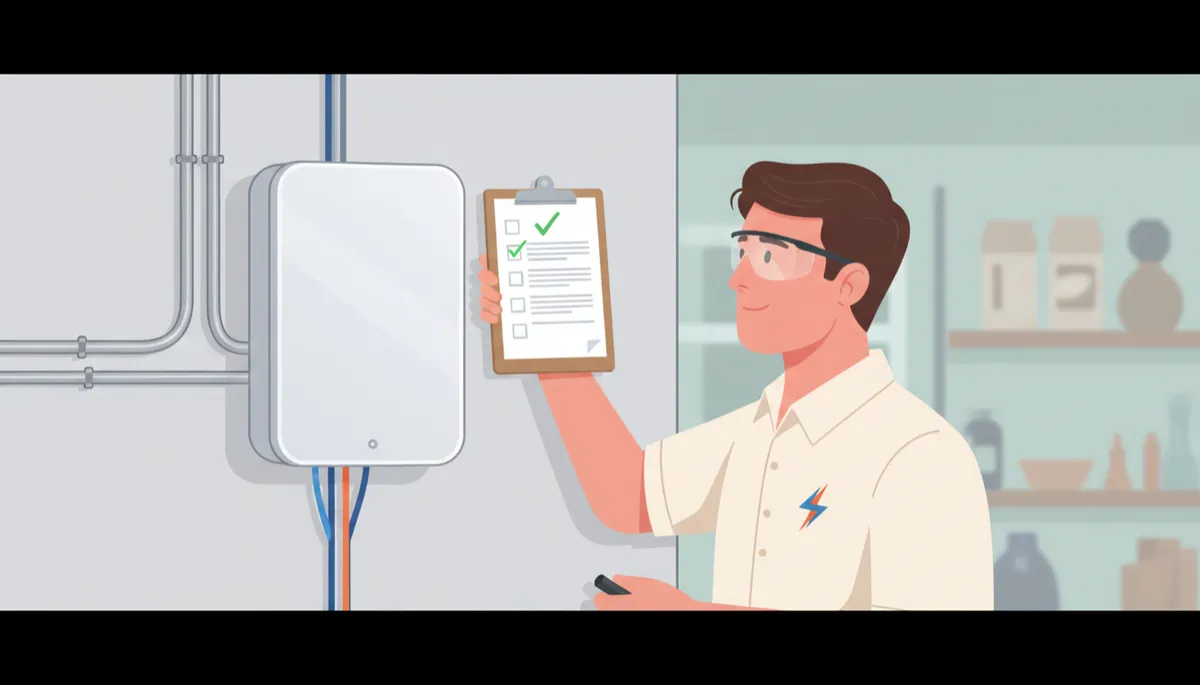
Professional installation is essential to qualify for BSTC-linked rebates and long-term warranty support.
How Battery Rebates Drive Real‑World Energy Savings
The goal of these Renewable Energy Incentives is not just to reduce upfront costs – it is to deliver lasting Energy Savings and greater resilience for homes and businesses. A correctly sized solar‑plus‑battery system can:
Shift your consumption away from expensive evening peak tariffs by using stored solar energy.
Reduce your reliance on volatile grid prices and protect against future increases.
Provide backup power for critical circuits during outages, depending on system design.
When you combine generous Battery Rebates with smart system design and quality installation, typical households can see payback periods in the range of 6–10 years, with ongoing bill reductions for many years afterwards. For commercial properties with higher daytime loads, the economics can be even stronger, especially when Energy Efficiency Incentives are paired with demand‑management strategies.
Eligibility and Compliance: Getting BSTCs Applied Correctly
To receive the full value of these Australian Government Rebates – including any battery‑linked BSTCs – your installation must meet strict eligibility rules. In summary:
Batteries must typically be between 5 kWh and 100 kWh nominal capacity, with STCs only applying to the first 50 kWh [SolarChoice].
Systems must use CEC‑approved components and be installed by SAA‑accredited installers. The Clean Energy Regulator also limits installers to a safe number of installations per day to maintain quality and compliance [CER].
Most systems must be VPP‑ready so they can participate in virtual power plant programs and support grid stability.
A reputable provider such as Brux Electrical manages all of this behind the scenes – from system design and product selection through to paperwork and claiming BSTCs – so your Current Battery Deals are applied automatically on your quote. That means no confusing forms and no risk of missing out on legitimate Incentives For Batteries due to administrative errors.
Planning Your System: Residential vs Commercial Properties
Brux Electrical works with residential and commercial property owners, builders and tenants across Australia. While the same core Rebate Programs Australia apply, the design approach differs between homes and business premises:
Homes: The focus is usually on evening self‑consumption, comfort and resilience. A battery sized around 10–14 kWh often balances upfront cost, BSTC benefits and Energy Savings for a typical family.
Businesses: For workshops, small factories, offices or retail spaces, batteries can smooth peak demand and protect against outages. Here, larger systems may be justified, even though the BSTC percentage tapers beyond 14 kWh.
In both cases, combining Renewable Energy Incentives with smart load management – LED lighting, efficient HVAC, upgraded switchboards and controls – can further enhance your long‑term return on investment and support a lower‑carbon footprint.
Ready to Capture Today’s Battery Rebates? Talk to Brux Electrical
With funding for the Cheaper Home Batteries Program expanded to $7.2 billion and more than 300,000 battery installations already completed nationwide [Choice], Australians are embracing Renewable Energy Rebates at record speed. However, STC values and BSTC‑linked Battery Rebates will continue to step down, and some state schemes may close once budgets are exhausted.
If you are considering solar, batteries or broader electrical upgrades, now is an ideal time to explore your options. Brux Electrical’s experienced team provides:
Clear, transparent advice on all relevant Australian Government Rebates and local Rebate Programs Australia in your area.
Tailored system designs for homes, investment properties and commercial sites that maximise Energy Savings without compromising safety or reliability.
Quality workmanship from accredited electricians who stand behind their installations with strong warranties and after‑sales support.
Whether you are simply curious about Current Battery Deals or ready to proceed with a full solar‑plus‑battery solution, Brux Electrical is here to help you navigate BSTCs, Renewable Energy Incentives and all available Energy Efficiency Incentives with confidence.
Call now for a free quote or to book an inspection on your electrical needs and discover how today’s Australian Government Rebates can transform your property’s energy performance for years to come.
