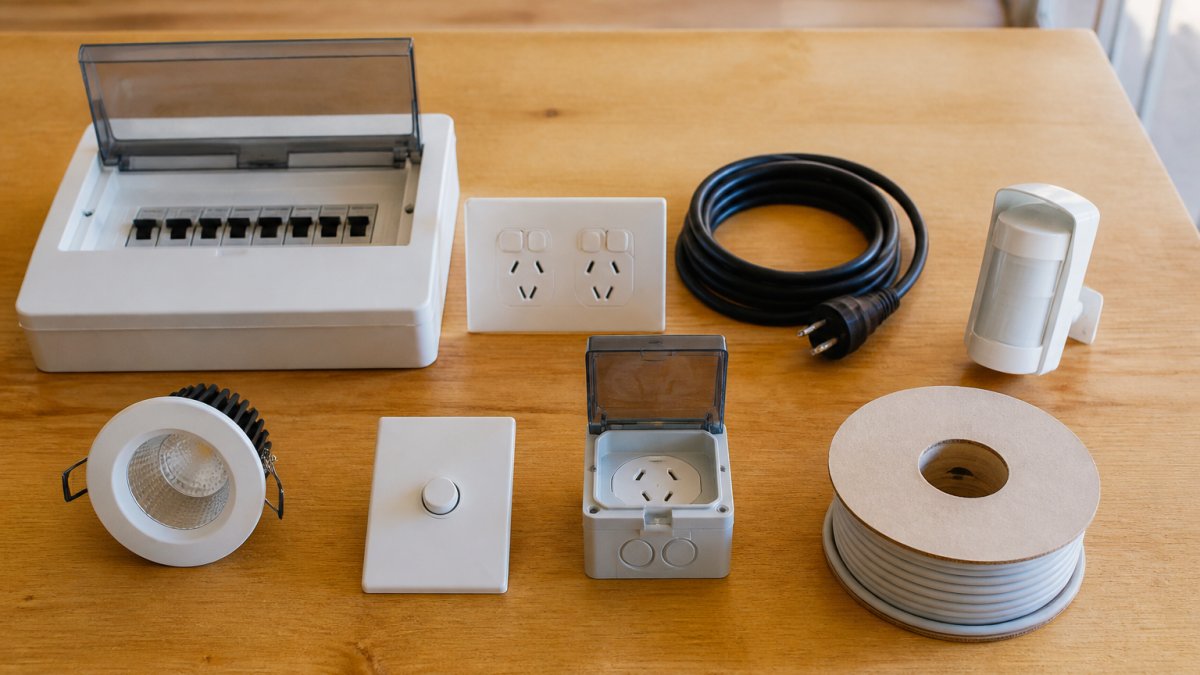
7 Best Electrical Upgrades for New Home Construction
Table of Contents
- Why Electrical Upgrades Matter During New Home Construction
- Solar and Battery Preparation for New Homes
- EV Charger Wiring for New Builds
- Power Points for a New Home
- Electrical Extras for New Builds
- Future-Proofing Your Electrical System
- Getting Your Electrical Upgrades Right from the Start
- Frequently Asked Questions
Last Updated: October 16, 2026
Why Electrical Upgrades Matter During New Home Construction
Building a new home gives you a rare opportunity. You can design your electrical system from the ground up instead of retrofitting later. The 7 best electrical upgrades for new home construction aren't luxuries, they're investments that reduce your ongoing electricity costs, increase safety, and future-proof your property.
Most homeowners don't think about electrical planning until walls are closed. By then, adding solar preparation, EV charger wiring, or extra power points costs significantly more. The difference between planning ahead and retrofitting later often comes down to thousands of dollars and weeks of disruption.
When you're building in Tugun or anywhere on the Gold Coast, climate and energy costs make electrical upgrades especially worthwhile. The region's sunny days mean solar potential is genuine. Rising electricity prices make battery-ready wiring sensible. And as more households adopt electric vehicles, having EV charger infrastructure ready becomes a practical necessity, not a future option.
The upgrades we'll cover below aren't about excess. They're about matching your electrical system to how you'll actually live and work in the home. Some focus on immediate energy savings. Others prepare you for technology you'll want later. All of them are cheaper to install during construction than after.
Solar and Battery Preparation for New Homes
Solar and battery preparation for new homes means installing the wiring, conduit, and structural support needed for solar panels and battery storage, without installing the panels or batteries themselves. This approach lets you defer the equipment purchase while securing the infrastructure.
During construction, your electrician can run conduit from the roof to a dedicated switchboard location, install a solar-ready isolator switch, and rough in the wiring pathways. This costs a fraction of what retrofitting requires later. When you're ready to install panels or add battery storage, the hard work is already done.
The real benefit appears in your electricity bills. Battery storage lets you shift that solar energy to evening hours when grid electricity is most expensive. For Gold Coast properties, where summer cooling loads are substantial, this combination genuinely reduces annual costs.
One thing to watch: don't oversise the preparation. A common mistake is installing a solar-ready system sized for a 10 kW array when your roof space and budget only support 5 kW. Work with your electrician to match the infrastructure to your actual energy goals, not theoretical maximum capacity.
EV Charger Wiring for New Builds
EV charger wiring for new builds means running a dedicated high-capacity circuit from your switchboard to a garage or driveway location where a charger will eventually be installed. This isn't about installing the charger itself, it's about preparing the electrical foundation.
A Level 2 EV charger (the standard home charging option) typically requires a 32-amp circuit. Running this during construction takes a few hours. Running it after construction requires cutting walls, drilling through framing, and making good. The cost difference is substantial.
Installing the circuit during construction also ensures your switchboard has adequate capacity. Some homes built five years ago have switchboards that can't support both air conditioning and EV charging simultaneously. A new home gives you the chance to avoid this problem entirely.
The location matters. Most EV owners charge overnight. If your garage is far from your main switchboard, the circuit run is longer and more expensive. Plan the charger location during construction, not after. Tugun properties with side garages or detached workshops need special attention here, longer runs mean thicker cable and higher costs if done later.
Power Points for a New Home
Power points for a new home should be planned around how you actually work and live, not just building code minimums. Code specifies the minimum number. Your lifestyle determines what's actually useful.
A home office needs power points at desk height, behind the desk for equipment, and near the door for vacuum cleaners. A kitchen needs points on the bench for small appliances, above the bench for wall-mounted devices, and in the pantry for the freezer. A garage needs points at bench height for tools and at floor level for future equipment.
During construction, adding extra points costs almost nothing. After construction, adding a single point means wall cutting, cable running, and patching. Most homeowners regret not planning enough points. Few regret having too many.
Consider USB-A and USB-C integrated points in main living areas. These eliminate the need for separate charging blocks and reduce clutter. In a new build, the cost difference between a standard point and a USB-integrated point is minimal.
Outdoor power points are easy to overlook. A pool area, entertainment space, or garden workshop becomes much more functional with weatherproof power points. Running conduit to these locations during construction is straightforward. Adding them later requires trenching or surface-mounted conduit that looks poor and creates tripping hazards.
Electrical Extras for New Builds
Electrical extras for new builds include dedicated circuits for specific appliances, structured cabling for data and networking, and safety upgrades beyond minimum code. These often cost little during construction but add genuine value.
A dedicated circuit for your hot water service protects it from voltage fluctuations and makes future troubleshooting simpler. A dedicated circuit for your oven or cooktop prevents nuisance tripping when multiple high-load appliances run together.
Structured cabling, running data conduit and pull strings during construction, makes future network upgrades, security system installation, and smart home wiring far simpler. Running cables after construction means drilling through walls or running surface-mounted conduit. Running them during construction means they're hidden and professional.
Safety extras include RCD (residual current device) protection on individual circuits, surge protection on sensitive circuits, and proper earthing for outdoor and wet areas. Modern homes should have RCD protection on all power circuits. Some builders only install it where code requires it. Comprehensive RCD protection costs little extra during construction.
A dedicated circuit for future home automation or smart home systems is worth considering. Running conduit during construction lets you add smart lighting, climate control, or security systems later without visible wiring.
Future-Proofing Your Electrical System
Future-proofing your electrical system means installing infrastructure that accommodates technology you don't yet have. A modern home with solar, battery, EV charging, and air conditioning often needs adequate switchboard capacity. Upgrading after construction is disruptive and expensive.
When building in Tugun, consider your switchboard capacity not just for today but for the next 15 years. Electric heating, induction cooktops, heat pump hot water systems, and battery storage all increase electrical demand. A switchboard that's adequate now might be undersized in five years.
Conduit and cable runs should be oversized slightly. A 20mm conduit that's barely large enough for today's cables becomes a problem when you want to upgrade. A slightly larger conduit costs almost nothing during construction but prevents future headaches.
Your electrical system should also accommodate potential solar export and battery integration. This means your switchboard should have space for additional circuit breakers, and your wiring should support bidirectional power flow. Not all electrical systems are designed this way. A new build gives you the chance to plan for it.
Getting Your Electrical Upgrades Right from the Start
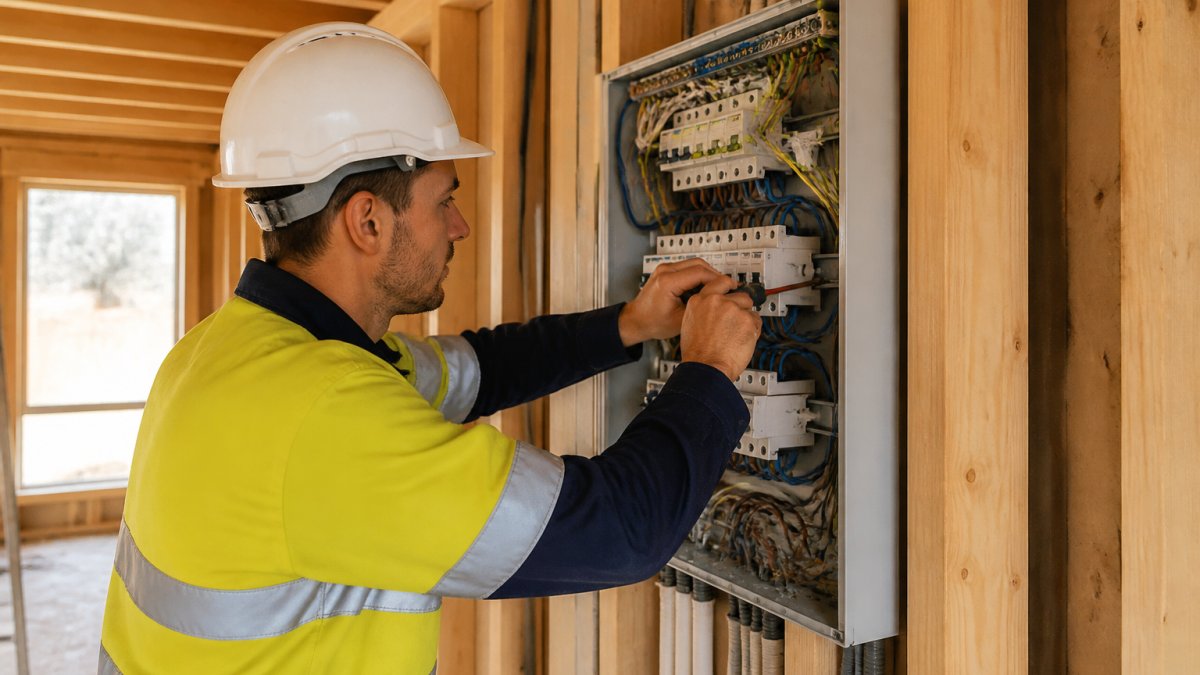
Getting your electrical upgrades right from the start means involving a qualified, licensed electrician in the planning phase, not just the installation. Too many builders treat electrical as a checkbox item, installing minimum code compliance without considering the homeowner's actual needs.
A good electrician asks questions. How do you work from home? Where do you spend most time? Do you drive an electric vehicle? Are you interested in solar? Will you add air conditioning later? Your answers shape the electrical design. An electrician who doesn't ask these questions is designing for code, not for you.
When you're choosing an electrician in Tugun or the Gold Coast, look for someone who's done new-build work and understands solar and battery systems. These require different design thinking than standard residential work. An electrician experienced in solar preparation knows how to run conduit and wiring efficiently. One who's never done it might miss opportunities or design inefficiently.
Brux Electrical works with builders and owner-builders throughout the Gold Coast to plan electrical systems that match actual needs, not just code minimums. The same electrician who quotes your job performs the installation, so there's continuity and accountability. You're not dealing with a call centre or a rotating crew of subcontractors. You get direct communication from the first conversation through to switch-on, and reliable local aftercare when you need it.
Get your electrical upgrades specified in writing. A clear, itemized quote prevents surprises and ensures nothing gets missed. Your electrician should explain what each upgrade does, why it matters for your situation, and what it costs. If a quote is vague or bundled into broad categories, ask for more detail. You're making decisions that affect your home for 20+ years. You deserve clarity.
Building a new home means making decisions that affect your electricity costs, safety, and flexibility for years to come. The 7 best electrical upgrades for new home construction aren't about luxury, they're about matching your electrical system to how you'll actually live and work. Solar and battery preparation, EV charger wiring, extra power points, dedicated circuits, structured cabling, adequate switchboard capacity, and planning for future technology all cost far less during construction than retrofitting later.
The key is planning ahead with a qualified electrician who understands your needs and your property. At Brux Electrical, we help Gold Coast homeowners and builders plan electrical systems that reduce costs, increase safety, and accommodate future technology. Australian Standards for electrical installations set the baseline. Our job is to design beyond that baseline to match your actual situation. Get a clear, itemized quote that explains what each upgrade does and why it matters for your home. Direct communication and transparent pricing mean no surprises and no regrets.
Frequently Asked Questions
What electrical upgrades should I consider when building a new home?
The key upgrades include solar preparation, battery storage wiring, EV charger installation, upgraded power points, and future-proofed switchboard capacity. Installing these during construction is far cheaper than retrofitting later. Your electrician should size each system to your actual energy needs and property layout, not oversell you on unnecessary capacity.
Is it worth installing solar and battery preparation wiring during new home construction?
Yes. Running conduit and cabling during the build costs a fraction of what you'd pay to retrofit later. Battery preparation means you can add storage without major rewiring when you're ready. This approach lets you install panels immediately or defer the investment while keeping your home ready for renewable energy whenever it suits your budget.
How many power points should a new home have?
Modern homes need far more outlets than older builds. Plan for multiple points in every room, including kitchen benchtops, living areas, bedrooms, and outdoor spaces. Consider future devices and charging needs. A qualified electrician can assess your layout and lifestyle to recommend the right number and placement, ensuring you won't rely on extension cords or power boards later.
Should I install EV charger wiring during new home construction?
Installing conduit and cabling for an EV charger during construction costs significantly less than adding it later. Even if you don't own an electric vehicle yet, preparing the infrastructure now future-proofs your home. When you're ready to install the charger, the hard work is already done, saving you thousands in labour and disruption.
