7 Best Commercial Electrical Maintenance Tips for Offices
Table of Contents
- 1. Schedule Regular Commercial Electrical Inspections
- 2. Develop and Follow an Office Electrical Maintenance Checklist
- 3. Test and Maintain Office Switchboard Systems
- 4. Prioritise Office Electrical Safety Standards
- 5. Monitor and Upgrade Aging Electrical Infrastructure
- 6. Train Staff on Electrical Safety and Hazard Recognition
- 7. Keep Detailed Records and Maintenance Logs
- Frequently Asked Questions
Last Updated: October 15, 2026
1. Schedule Regular Commercial Electrical Inspections
Regular inspections form the foundation of any solid commercial electrical maintenance programme. An inspection identifies problems before they become safety hazards or expensive failures. Most office buildings benefit from inspections every 12 to 24 months, depending on the age and condition of the electrical system.
During an inspection, a qualified electrician checks wiring, switchboards, distribution boards, and outlets for signs of wear, damage, or deterioration. They test circuits under load and look for loose connections, overheating, or corrosion. This proactive approach catches issues early.
Why does this matter? A small fault in an outlet or cable can escalate into a fire risk or system failure that shuts down your office. Preventative inspections cost far less than emergency repairs or dealing with downtime.
At Brux Electrical, we recommend treating inspections as non-negotiable. A thorough inspection gives you peace of mind and a clear record of your system's health. This documentation also supports compliance with workplace safety standards.
2. Develop and Follow an Office Electrical Maintenance Checklist
A maintenance checklist keeps your team accountable and ensures nothing gets overlooked in your commercial electrical maintenance routine. The checklist should cover routine tasks that staff or contractors perform regularly. This is one of the most important office electrical maintenance tools you can create.
A solid checklist includes:
- Visual inspection of all outlets and switches for damage
- Testing emergency lighting and exit signs monthly
- Checking for water damage or moisture near electrical equipment
- Verifying that circuit breakers trip and reset smoothly
- Inspecting cables for cuts, cracks, or exposed wiring
- Confirming that all electrical panels are clearly labelled
- Testing ground fault circuit interrupters (GFCIs) in wet areas
Assign responsibility for each task. One person should own the checklist and track completion dates. This creates accountability and a clear audit trail.
Use a simple spreadsheet or a dedicated maintenance log. Record what was checked, who checked it, and when. Over time, this log reveals patterns, which outlets fail most often, which areas need more attention, which equipment is ageing.
3. Test and Maintain Office Switchboard Systems
Your switchboard is the nerve centre of your office's electrical system. It distributes power to every circuit, protects against overloads, and isolates circuits when faults occur. Neglecting switchboard maintenance invites serious problems.
Switchboard testing should happen annually at minimum. A technician tests the main switch, checks that circuit breakers operate smoothly, measures voltage across phases, and verifies that protective devices function correctly. They also inspect for loose terminals, corrosion, or heat damage inside the enclosure.
Common switchboard issues include:
- Loose or corroded connections that reduce efficiency
- Tripped breakers that won't reset properly
- Outdated protective devices that no longer meet safety standards
- Overcrowded panels where circuits are crammed too tightly
- Missing or illegible labels on circuits
If your switchboard is over 20 years old, consider upgrading key components or the entire unit. Older systems may not meet current safety standards and are more prone to failure. A modern switchboard is more reliable and easier to maintain.
4. Prioritise Office Electrical Safety Standards
Safety is not optional, it's a legal requirement. Your office must comply with the relevant electrical safety standards and workplace regulations that apply in your state or territory. Non-compliance puts staff at risk and exposes your business to liability.
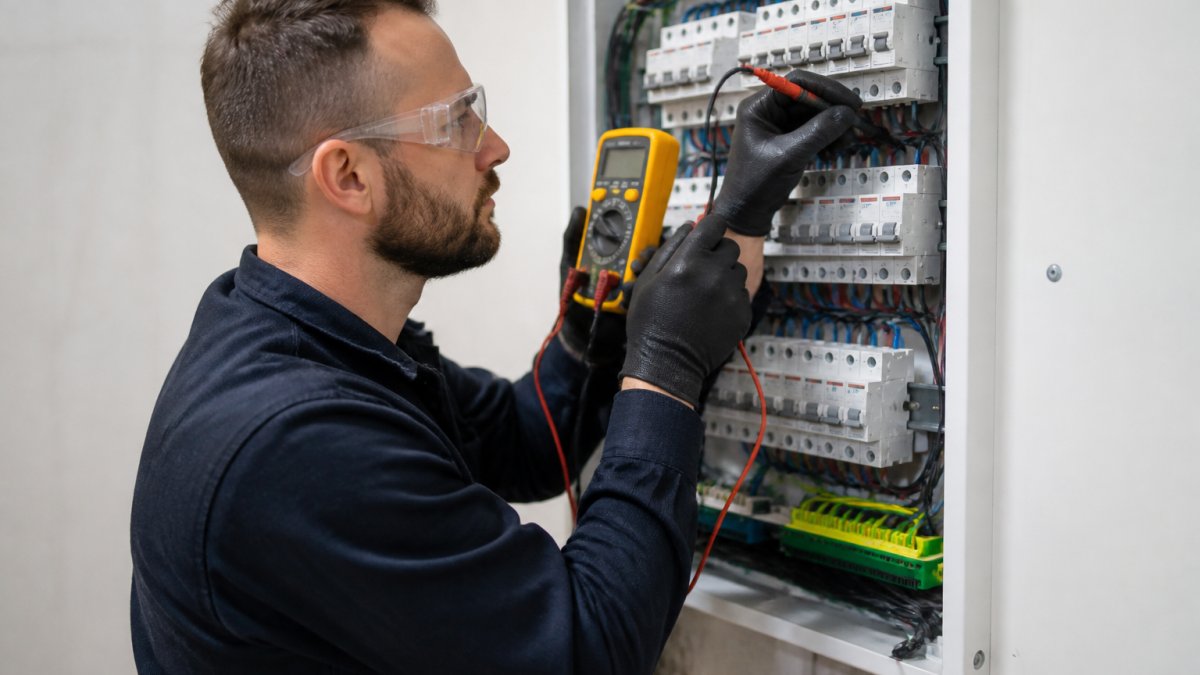
Key safety standards to understand:
- Australian Standards (AS/NZS): These set the minimum requirements for electrical installations, testing, and maintenance
- Workplace Health and Safety legislation: Your state or territory has specific rules about electrical safety in the workplace
- Electrical Safety Code of Practice: Many states publish guidance on safe electrical practices
Ensure your electrical system meets these standards. If you're unsure whether your system complies, hire a qualified electrician to audit it. They can identify gaps and recommend upgrades.
Common safety priorities include:
- Installing residual current devices (RCDs) to protect against electric shock
- Ensuring proper grounding and bonding throughout the system
- Maintaining safe clearances around electrical equipment
- Using correctly rated cables and protective devices
- Keeping electrical areas locked or restricted to authorised personnel
5. Monitor and Upgrade Aging Electrical Infrastructure
Electrical infrastructure ages. Wiring degrades, insulation cracks, and components wear out. As your system ages, maintenance becomes more frequent and repairs more costly. At some point, upgrading makes more sense than patching.
Signs your system is ageing include:
- Frequent tripped breakers or blown fuses
- Outlets or switches that feel hot to the touch
- Flickering lights or devices that won't stay powered
- A burning smell near outlets or the switchboard
- Visible corrosion or discolouration on wiring or terminals
- Difficulty adding new circuits or devices because capacity is maxed out
If your office was built more than 30 years ago and the electrical system hasn't been upgraded, it's worth having a professional assess whether partial or full replacement makes sense. Older systems often can't handle modern power demands, air conditioning, computers, charging stations, and other equipment draw far more power than systems designed decades ago.
Upgrades don't have to happen all at once. You can prioritise high-risk areas first, then work through the rest over time. This spreads the cost and minimises disruption.
6. Train Staff on Electrical Safety and Hazard Recognition
Your team spends most of their time in the office. They should know how to spot electrical hazards and respond safely. Basic training takes a few hours but can prevent accidents and injuries.
Training should cover:
- How to recognise damaged cords, outlets, or switches
- What to do if they smell burning or see sparks
- How to safely use power boards and extension cords
- The dangers of water near electrical equipment
- When to report a problem and who to contact
- Evacuation procedures if there's an electrical fire
Make it clear that staff should never attempt to repair electrical equipment themselves. If something looks wrong, they should report it immediately and avoid using that outlet or device.
Create a simple reporting process. Staff should know exactly who to tell if they spot a problem, whether that's a facilities manager, office manager, or a specific contact at your electrical contractor. The faster you know about issues, the faster you can fix them.
7. Keep Detailed Records and Maintenance Logs
Documentation matters. Records prove that you're maintaining your system, support compliance with safety standards, and help contractors understand what's been done and what needs attention next.
Your maintenance log should include:
- Date and description of each inspection or repair
- Name of the contractor or technician who performed the work
- What was checked, tested, or repaired
- Any issues found and how they were resolved
- Recommendations for future work
- Parts or components that were replaced
Keep records for at least five years. Many insurance policies and workplace safety audits require proof of maintenance. If something goes wrong, a fire, an injury, or a safety investigation, your records demonstrate that you took reasonable care.
Digital logs are easier to search and share than paper files. Use a simple spreadsheet or a dedicated maintenance management system. Either way, make sure the log is accessible to anyone who needs to reference it.
Keeping your office's electrical system safe and reliable doesn't require constant attention, it requires the right routine. Regular inspections, clear checklists, switchboard testing, and staff awareness form a solid foundation. Over time, detailed records help you spot trends and plan upgrades before emergencies happen.
At Brux Electrical, we work with offices to build maintenance programmes that fit their needs. Whether you need a one-time inspection, ongoing support, or help upgrading aging infrastructure, our team is here to help. Get a quote today and find out how we can help keep your office running safely.
| Maintenance Task | Frequency | Owner | Purpose |
|---|---|---|---|
| Electrical inspection | Every 12-24 months | Licensed electrician | Identify hazards early |
| Switchboard testing | Annually | Licensed electrician | Verify protective devices work |
| GFCI testing | Monthly | Office staff | Ensure shock protection |
| Maintenance checklist review | Quarterly | Facilities manager | Track system health |
| Safety training | Annually | Management | Keep staff aware of hazards |
| Records update | After each service | Responsible person | Maintain compliance proof |
Frequently Asked Questions
How often should office electrical systems be inspected?
Most offices require a thorough electrical inspection every 5 years as part of standard maintenance. However, if your office is older than 15 years, has experienced electrical faults, or undergoes significant renovations, annual inspections are recommended. Regular commercial electrical inspections help catch worn components, outdated wiring, and safety hazards before they cause downtime or create fire risks. Your electrician can assess your specific building age and usage to recommend the right schedule.
What should be included in an office electrical maintenance checklist?
A comprehensive office electrical maintenance checklist should cover power outlet testing, switchboard condition, circuit breaker functionality, earthing systems, lighting efficiency, cable insulation, emergency lighting, and air-conditioning circuits. Include visual inspections for signs of overheating, corrosion, or loose connections. Document all findings and remedial actions taken. Regular use of a detailed checklist ensures nothing is overlooked and creates a record you can reference if problems arise, supporting your compliance with Australian electrical standards.
What are the signs of an electrical problem in an office?
Watch for flickering lights, burning smells near outlets or switchboards, warm power points, frequent circuit breaker trips, buzzing sounds from electrical panels, or equipment that cuts out unexpectedly. These signs often indicate loose connections, overloaded circuits, or failing components. Address them immediately, they're fire hazards and can damage expensive office equipment. A licensed electrician can diagnose the cause and prevent larger failures that disrupt work and create safety risks for your staff.
Can regular electrical maintenance reduce office downtime and operating costs?
Yes. Preventative commercial electrical maintenance reduces unexpected failures that cause power outages and equipment damage. By catching worn components early, you avoid costly emergency repairs and the lost productivity of unplanned downtime. Well-maintained systems also run more efficiently, reducing energy waste and lowering electricity bills. Regular inspections and servicing extend the life of switchboards, circuit protection, and wiring, spreading costs over time rather than facing sudden replacement expenses.
